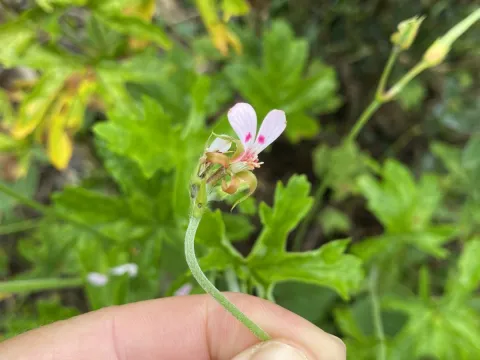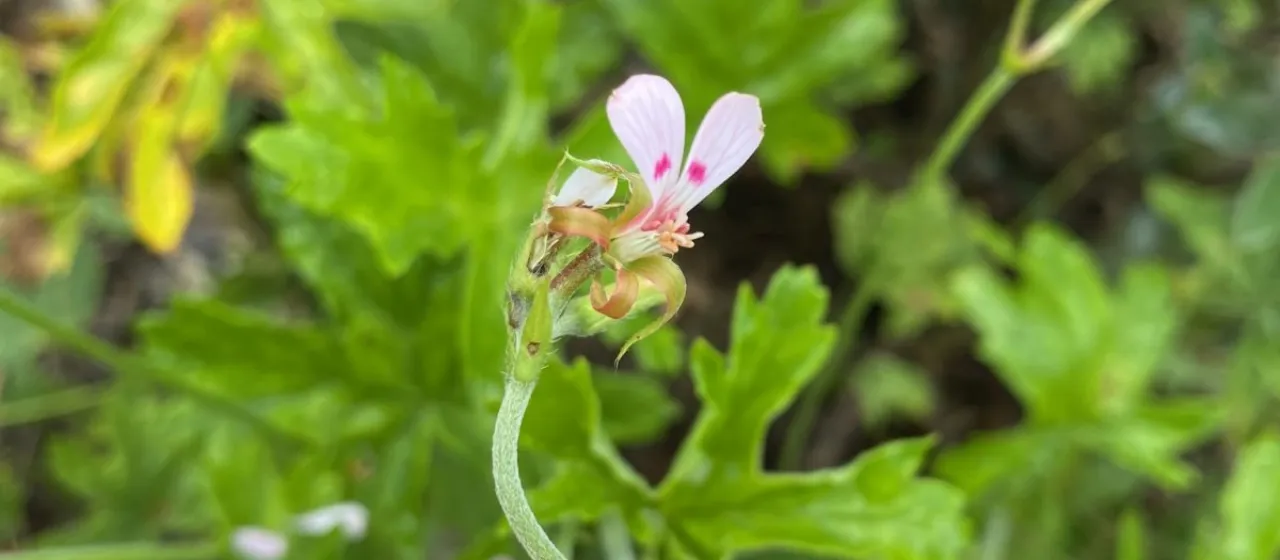
Description
Ranunculus-leaved pelargonium (Pelargonium ranunculophyllum) is a perennial herbaceous plant belonging to the Geraniaceae family. Its name originates from the specific appearance of its leaves, which resemble those of a buttercup (Ranunculus). This species is recognized for its distinctive botanical structure and is considered a niche plant within botanical collections.
The plant is native to South Africa, specifically inhabiting the mountainous regions of the Eastern Cape Province. In its natural habitat, it thrives in environments characterized by specific temperature variations and drainage patterns. Because of these specific requirements, it is primarily cultivated in controlled environments such as greenhouses or specialized botanical garden setups.
Botanically, the plant features a well-developed root system that helps it withstand drought cycles. The leaves are palmately lobed with serrated margins, reflecting its adaptation to mountain terrain. The flowers appear in loose clusters, exhibiting a subtle beauty that is typical of wild pelargonium species, setting it apart from common ornamental hybrids.
Cultivation of this species requires a strict adherence to soil and moisture management. It thrives in well-draining, slightly acidic to neutral substrates that prevent root rot. During the growing season, irrigation should be carefully regulated, allowing the soil to dry slightly between waterings, while the winter period necessitates a cooler, drier rest phase.
Common issues in the cultivation of Pelargonium ranunculophyllum include susceptibility to fungal pathogens, particularly root rot, and infestations by pests such as spider mites and aphids. Management strategies focus on providing optimal air circulation, maintaining a clean growing environment, and applying integrated pest management (IPM) practices to ensure the plant's long-term survival.
Photo gallery