Description
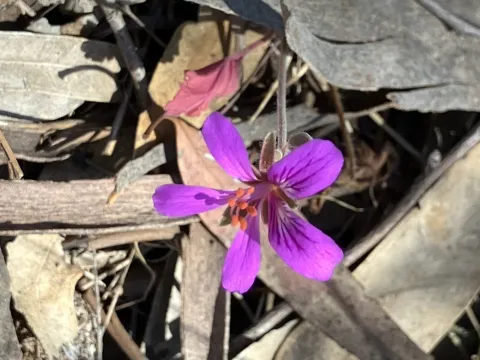
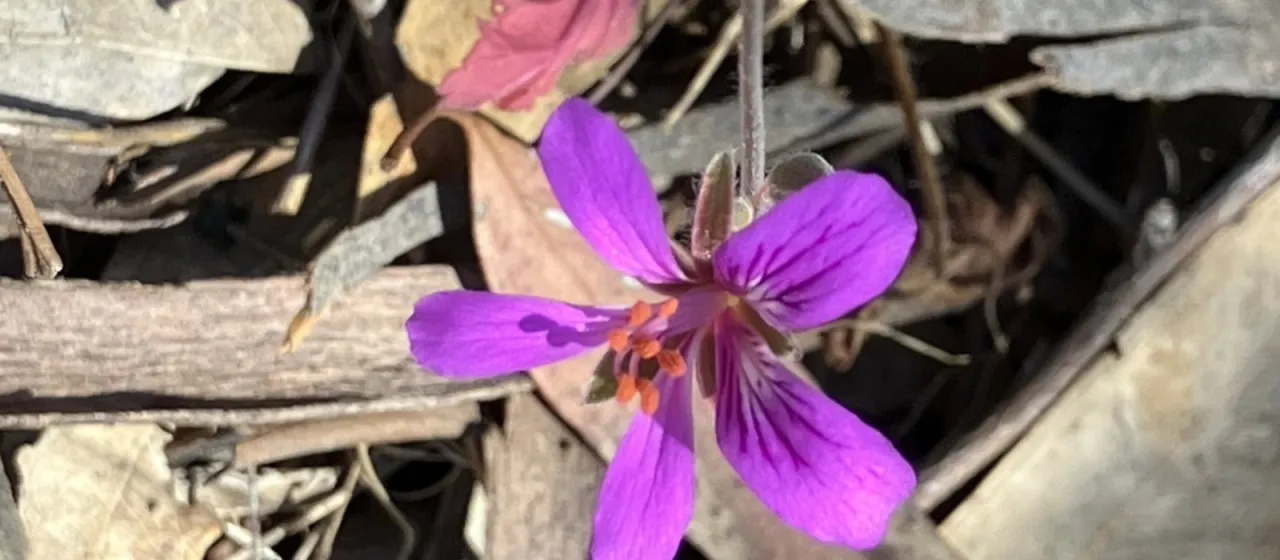
Rodney's Pelargonium (Pelargonium rodneyanum) is a perennial herbaceous plant belonging to the Geraniaceae family. It is distinct from more common bedding pelargoniums due to its specific botanical structure and its origin as an Australian native wildflower, adapted to harsh, specialized environments.
The native range of this species covers regions within Australia, primarily in Victoria and South Australia. In these areas, the plant thrives in open, rocky, and well-drained soils. Its evolution in such specific habitats has shaped its physiological response to water scarcity and intense solar radiation.
Botanically, Pelargonium rodneyanum features a basal rosette of leaves from which thin, upright stalks emerge to support bright pink to magenta flowers. The root system is relatively robust, designed to store energy and moisture, which facilitates survival during the dry spells common in its natural climate.
To ensure successful cultivation, agronomic requirements must be strictly observed. The substrate should be highly porous, mimicking the natural rocky slopes of its origin. Irrigation must be careful and infrequent, as the plant is highly sensitive to root rot caused by stagnant water. Abundant sunlight is non-negotiable for maintaining the plant's natural architecture.
The main horticultural use of this species is in dry gardens, rockeries, and specialized botanical collections. Because it is not a common industrial crop, its pests and diseases are often consistent with those of other geranium species, such as spider mites, mealybugs, and fungal pathogens (Botrytis) triggered by poor ventilation or high humidity levels.
Photo gallery