Description
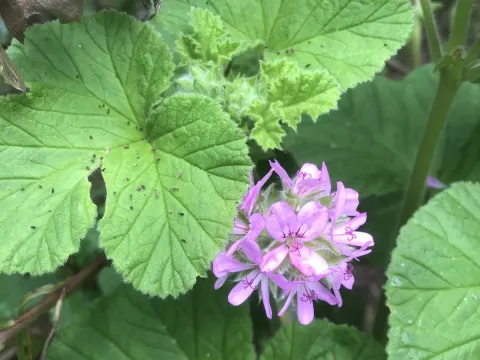
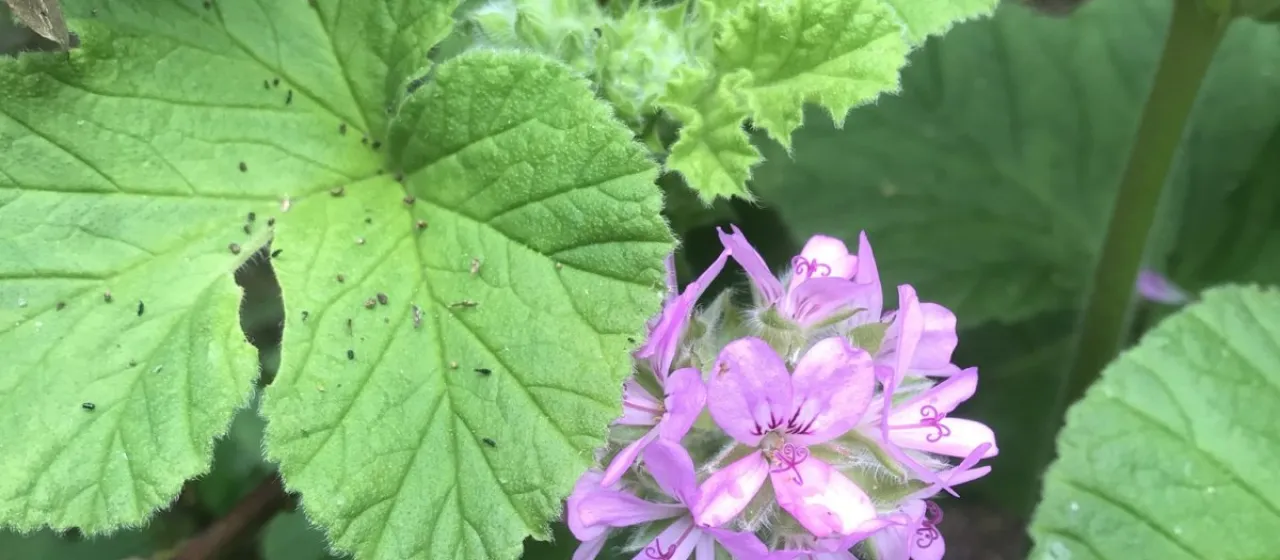
Grape-leaved pelargonium (Pelargonium vitifolium) is a perennial herbaceous or semi-shrubby species belonging to the Geraniaceae family. The name originates from its distinct leaf shape, which bears a strong resemblance to grape foliage. As a vigorous species, it is known for its dense, hairy growth and significant structural size compared to other common pelargoniums.
The species is native to South Africa, specifically flourishing in the Western Cape region. It is naturally adapted to Mediterranean-like climatic patterns. In agricultural settings, it requires mild climates or protected environments, as it is highly susceptible to frost damage and cannot survive freezing winters in temperate zones.
Botanically, Pelargonium vitifolium is characterized by glandular trichomes covering the leaves and stems, which secrete essential oils with a distinct aromatic profile. The plant produces terminal inflorescences of small, delicate flowers, typically ranging from pale pink to rose-purple, often marked with darker spots on the upper petals.
Agronomic management requires well-drained, nutrient-rich soil and full sun exposure to maintain optimal oil production. Proper irrigation management is critical; while the plant requires consistent moisture during the growing season, it must be protected from waterlogging to prevent root rot. Propagation is typically achieved through stem cuttings in controlled nursery environments.
The primary economic value of this crop lies in the extraction of essential oils for the fragrance and cosmetic industries. It is also utilized in horticulture for its ornamental foliage and rapid development. Farmers should monitor for typical pests, including aphids and spider mites, and implement integrated pest management strategies to ensure high-quality yields of foliage and essential oils.
Photo gallery