Stomp 330
БАСФ Агро БВ, Швейцарія, на заводі , Франція,Італія (Сієна)
Herbicides, Desiccants
7
3
·
10.8K
14 offers
13.2 €за 1 л
Купить

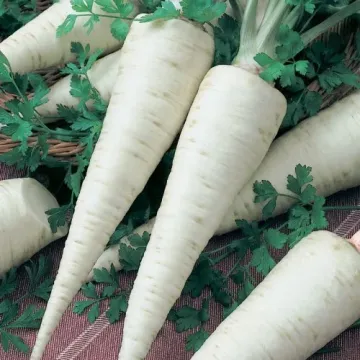
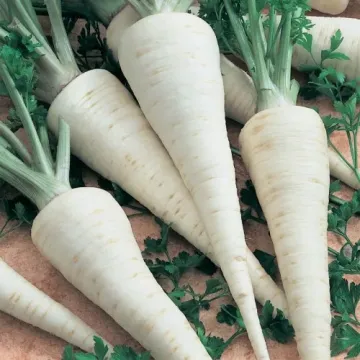
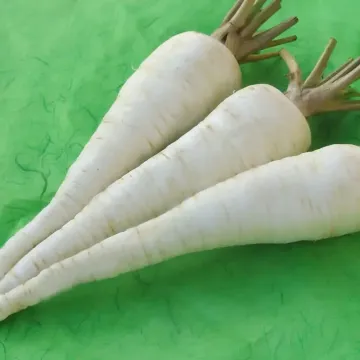
Root parsley (Petroselinum crispum) is a biennial vegetable crop belonging to the Apiaceae family, primarily cultivated for its fleshy, aromatic taproot. Unlike its leaf-producing counterparts, this variety has been selectively bred to develop a large, tapering, white-colored root that is rich in vitamins and essential oils.
Originating from the Mediterranean region, root parsley has spread across the globe and is widely grown in temperate climates. It is a staple crop in many European cuisines and is increasingly valued in professional horticulture for its durability and storage potential during the winter months.
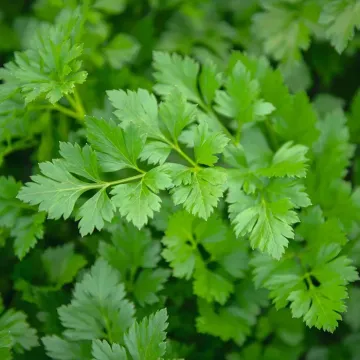
Botanically, the plant features a rosette of dark green, compound leaves and a sturdy taproot that can grow up to 30 cm in length. In its second year, the plant initiates the reproductive stage, producing tall, branching stalks topped with compound umbel inflorescences bearing small greenish-yellow flowers.
For optimal growth, root parsley requires loose, deep, and fertile soil with good drainage, as compacted ground leads to stunted or malformed roots. It is a cold-hardy plant that can withstand frost, making it suitable for early spring sowing. It prefers sunny locations but can tolerate partial shade if the soil temperature remains moderate.
Commercially, root parsley is utilized for its culinary applications, being a core ingredient in stocks, soups, and traditional stews. Its pests and diseases include the carrot fly, powdery mildew, and various rot pathogens. Effective management relies on crop rotation, precise irrigation to prevent waterlogging, and maintaining proper plant spacing to ensure airflow.