Mexican Engelmann spruce
Picea engelmannii Engelm. var. mexicana (Martínez) Silba
Description
The Mexican Engelmann spruce (Picea engelmannii var. mexicana) is a distinct botanical variety belonging to the Pinaceae family. It is an endemic conifer restricted to the high-altitude regions of Mexico, representing a vital genetic reservoir for the species. As a specialized agricultural and silvicultural crop, it is prized for its high resilience and unique aesthetic appearance.
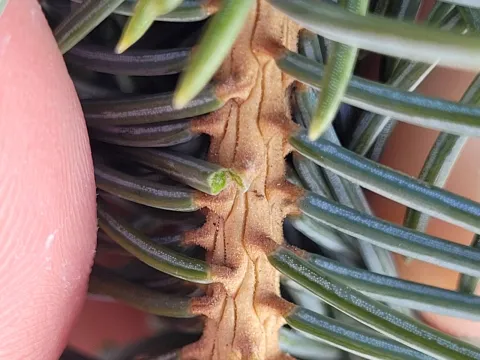
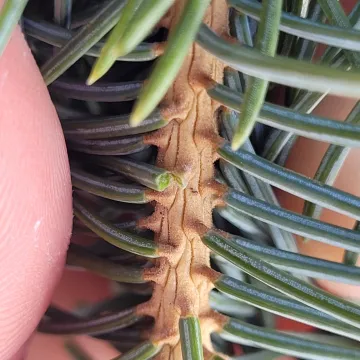
Botanically, this variety is characterized by its slender, conical crown and glaucous, blue-green needles. The bark is typically thin and scaly, and the tree produces small, papery cones that hang downward. This spruce exhibits a slower growth rate compared to other varieties of the species, allowing it to adapt effectively to thin, rocky soils found in its native mountain ranges.
Successful cultivation requires a climate that mimics its native high-altitude environment, specifically favoring cool temperatures and high atmospheric humidity. The species demands well-drained, slightly acidic soil. In intensive cultivation, it is essential to ensure that the root zone does not become waterlogged, as this is the primary cause of decline in nursery and plantation settings.
Regarding agrotechnical practices, the plant benefits from mulch application to stabilize soil temperature and moisture levels. While it is naturally hardy, young trees require protection from extreme drought during their establishment phase. Periodic fertilization with micronutrient-rich formulas designed for conifers is recommended to maintain the vibrant color of the needles throughout the growing season.
The main challenges in managing this crop include vulnerability to fungal pathogens such as needle casts and root rots, which often proliferate in humid, stagnant conditions. Insect pests include spruce spider mites and aphids, which can cause significant defoliation if left untreated. Integrated Pest Management (IPM) strategies, involving monitoring and selective use of fungicides and miticides, are crucial for maintaining tree health.
Photo gallery