White spruce
Picea glauca (Moench) Voss
Description
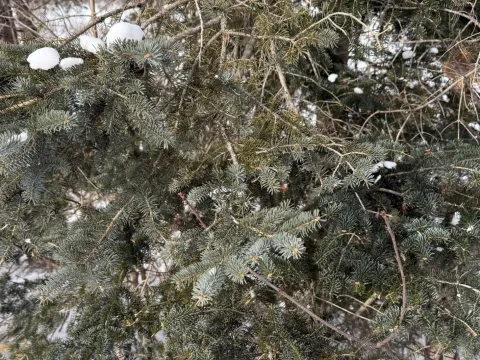
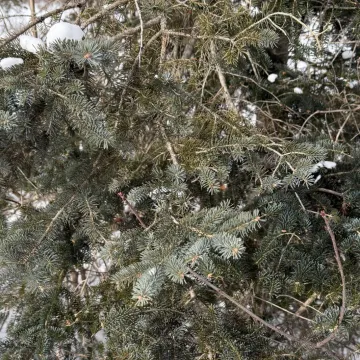
White spruce (Latin: Picea glauca) is a prominent evergreen coniferous tree belonging to the Pine family (Pinaceae). Known for its conical crown and distinct bluish-green needles, it is one of the most widely distributed tree species in North America. Its adaptability to various environmental conditions makes it a vital resource for both commercial forestry and ornamental landscaping.
The native range of the White spruce spans from the northern tree line in the Arctic to the temperate regions of North America. It is a highly resilient species, thriving in environments that vary from cool, moist valleys to rocky slopes. In forestry, it is highly valued for its straight trunk and quality wood, which is extensively used in the paper pulp industry and for construction purposes.
Botanically, the tree exhibits a shallow, wide-spreading root system that allows it to exploit nutrients in the upper layers of the soil. The needles are short, sharp, and emit a pungent scent when crushed, which is a key diagnostic feature. The cones are typically small and cylindrical, often maturing in a single season. The species is known for its extreme cold hardiness, surviving temperatures well below freezing.
Agricultural and horticultural requirements focus on providing well-drained, slightly acidic soil. While White spruce is tolerant of various soil types, it performs best in moisture-retentive loams. Proper site selection is crucial; planting should be done in locations with adequate light exposure, though it can tolerate partial shade. Young trees benefit from regular watering and protection from heavy wind during the establishment phase.
- Excellent tolerance for cold climates
- Versatile use in paper and lumber production
- High aesthetic value in windbreaks
- Ability to handle moderate air pollution
- Low maintenance after successful establishment
The health of Picea glauca can be compromised by several pests, including the spruce budworm and various types of aphids. Fungal diseases such as needle cast and root rot are common in poorly drained or overly humid conditions. Effective management involves maintaining tree vigor through appropriate fertilization and regular site inspection to identify and treat infestations at an early stage.
Photo gallery