
White spruce
Picea glauca Moench Voss x Picea pungens Engelman
Description
White spruce, classified within the Pinaceae family, is a significant species native to North America. Its hybrids, often involving Picea pungens, are highly valued in both forestry and ornamental horticulture for their robust growth and striking foliage color.
The species naturally thrives across a broad range from Alaska to the Atlantic coast. Due to its historical adaptation to cold northern climates, the tree shows exceptional hardiness, making it an excellent choice for temperate regions across the globe.
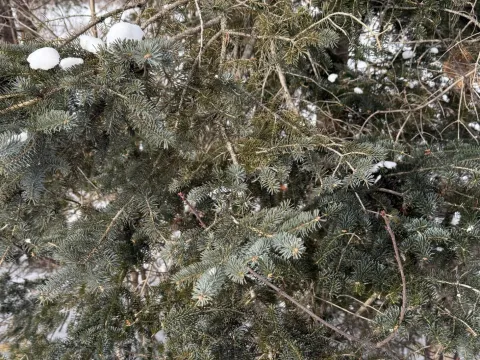
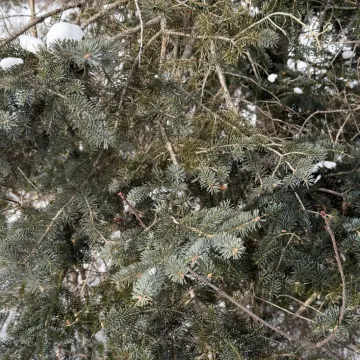
Botanically, it is recognized by its narrow conical habit and distinct glaucous-green needles. The trees are characterized by a slow growth rate, which allows them to maintain a dense, well-shaped canopy even without regular pruning interventions.
Successful cultivation requires well-drained, nutrient-rich soil with adequate moisture retention. While the species is sun-loving, it tolerates partial shade conditions. Proper mulching and consistent watering during the initial growth phase are essential for optimal health.
Beyond its aesthetic appeal, the tree is utilized for windbreaks and reforestation. Gardeners should remain vigilant against common issues such as spider mites and needle cast diseases. Implementing an integrated pest management program ensures the long-term vitality of the spruce.
Photo gallery