Pinguicula hirtiflora
Pinguicula hirtiflora
Description
Pinguicula hirtiflora, commonly known as a type of butterwort, is a specialized carnivorous plant belonging to the family Lentibulariaceae. While not a conventional agricultural crop, it is of significant scientific interest due to its evolutionary adaptations for surviving in nutrient-poor environments by trapping and digesting small insects.
Originating from the limestone-rich mountainous regions of Southern Europe and the Balkans, the plant is naturally adapted to steep, moist cliffs and riparian zones. Its distribution is limited to habitats where mineral content is low, necessitating its carnivorous strategy to supplement essential nitrogen and phosphorus intake.
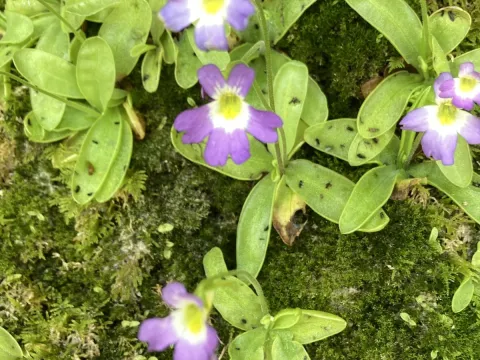
Botanically, the plant is characterized by a basal rosette of succulent, sticky leaves that glisten due to glandular hairs. These glands secrete enzymes and mucilage, which serve both as an attractant and a trapping mechanism. During the flowering season, the plant produces distinctive, often hair-covered flowers, which give the species its specific epithet.
Successful cultivation requires mimicking its natural alpine environment. The ideal substrate consists of a mixture of peat, perlite, and crushed limestone to ensure proper drainage while maintaining acidity levels. High humidity is essential, and water quality is paramount; the use of distilled or deionized water is strictly required to prevent the accumulation of minerals that can kill the roots.
Pests and diseases are primarily related to environmental stress. Overwatering often leads to fungal infections or rhizome rot, which can be fatal. Pests such as aphids or fungus gnats can occasionally infest the plant, requiring manual removal or specialized non-toxic treatments to avoid damaging the delicate glandular structures on the leaves.
Photo gallery