Long-leaved butterwort
Pinguicula longifolia
Description
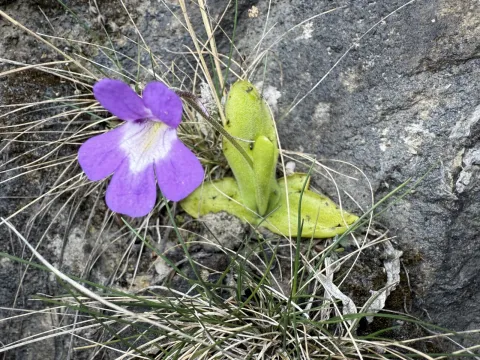
The long-leaved butterwort (Pinguicula longifolia) is a perennial insectivorous plant species classified within the Lentibulariaceae family. This specialized plant has evolved unique mechanisms to trap small insects, allowing it to thrive in nutrient-poor environments where nitrogen availability is extremely limited.
Its natural distribution is primarily centered in the mountainous regions of Europe, specifically the Pyrenees. These plants are typically found growing on vertical limestone cliffs and wet rock faces. Because of this specialized ecological niche, they are highly valued by botanical collectors and conservationists who study their adaptation to harsh environments.
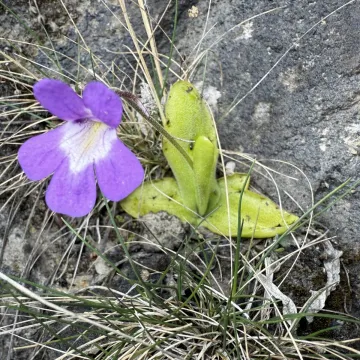
Botanically, Pinguicula longifolia is distinguished by its elongated, lanceolate leaves arranged in a basal rosette. These leaves are covered with tiny, sticky, glandular hairs that serve as a flypaper-like trap for prey. The flowers are typically a vibrant shade of violet, featuring a long spur, which adds to the plant's unique aesthetic appeal.
Cultivation requires strict adherence to environmental parameters, including high atmospheric humidity and a distinct period of dormancy in cool temperatures. The growing medium must be mineral-based and well-draining, with a consistent source of calcium. Essential care practices include using only pure water, as mineral buildup can quickly cause root damage.
The plant is primarily used for ornamental collection and academic research. Common issues in cultivation include fungal infections, such as grey mold, which often arise if air circulation is insufficient. Pests like aphids and spider mites are frequent threats, as they can interfere with the plant's carnivorous function and significantly damage the leaf structure.
Photo gallery