Plagiothecium cavifolium
Plagiothecium cavifolium
Description
Plagiothecium cavifolium is a species of moss belonging to the Plagiotheciaceae family. While not a commercial crop in the agricultural sense, it is an essential component of forest ground cover and is increasingly recognized in the nursery industry for its aesthetic value in terrariums, paludariums, and shade-loving landscape gardens.
This moss is native to temperate regions of the Northern Hemisphere, spanning across Europe, Asia, and North America. It thrives in high-humidity environments, primarily occupying shaded forest floors, damp rocky outcrops, and decaying logs. Its natural habitat is characterized by cool, stable temperatures and protection from harsh weather conditions.
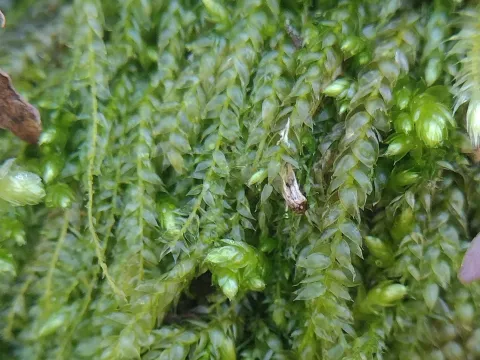
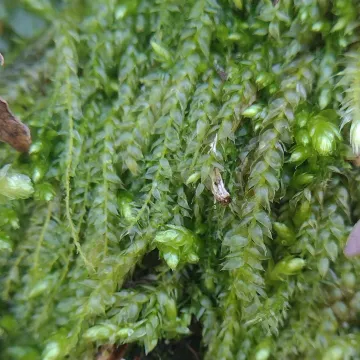
Botanically, Plagiothecium cavifolium is identified by its loose to dense tufts, which exhibit a characteristic sheen. The leaves are notably concave, providing the species with a unique visual texture. The gametophytes grow in low-lying, spreading patterns, effectively anchoring themselves to the substrate while maintaining a bright green, healthy appearance throughout the growing season.
Successful cultivation of this species requires strict adherence to environmental parameters. It demands a consistently moist, slightly acidic substrate composed of leaf mold or peat-based mixes. In greenhouse or indoor cultivation, irrigation should be handled through misting systems to prevent waterlogging while ensuring the surface remains hydrated, and light levels must remain low to moderate.
- Enhancement of terrarium and vivarium layouts.
- Usage as a natural ground cover in shaded shade gardens.
- Role in stabilizing moisture levels for tropical plant collections.
- Educational and research purposes in bryology.
Common health issues include fungal outbreaks, typically triggered by stagnant air and excess moisture on the leaves. Pests such as small slugs or insects can be problematic in high-density environments. To protect the moss, it is crucial to maintain adequate airflow, avoid over-fertilization, and perform manual inspections to remove any pests that may disrupt the integrity of the moss carpet.
Photo gallery