Plagiothecium nemorale
Plagiothecium nemorale
Description
Plagiothecium nemorale is a species of moss belonging to the Plagiotheciaceae family. While not a traditional agricultural crop, it serves as a significant biological component in forest ecosystems and is increasingly cultivated for niche applications in horticulture and landscape design.
Native to the temperate zones of the Northern Hemisphere, this moss is commonly found in moist, shaded habitats such as forest floors, rotting logs, and the base of tree trunks. Its distribution is closely linked to stable, high-humidity environments that allow it to thrive throughout the growing season.
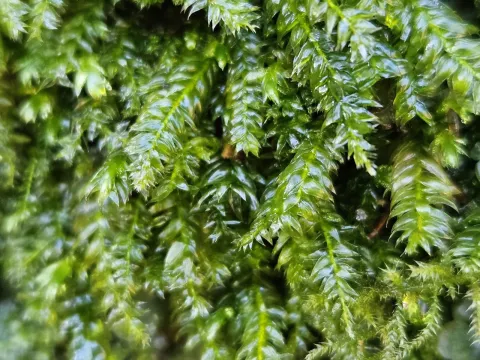
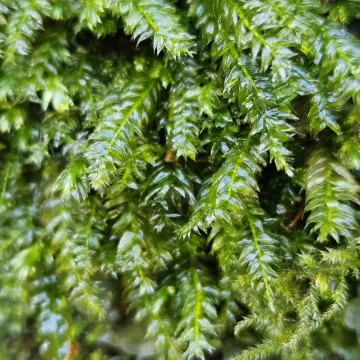
Botanically, it is characterized by glossy, pale-to-yellowish-green mats. Its stems are prostrate and branched, featuring flattened, asymmetrical leaves that provide a distinct aesthetic texture. The production of sporophytes on long stalks is a vital stage in its life cycle, facilitating reproduction through wind-dispersed spores.
Agricultural techniques for this species focus on substrate management and humidity control. It thrives on acidic, well-draining organic substrates such as peat mixed with bark or pumice. Ensuring consistent moisture levels without waterlogging is essential for maintaining health and preventing the development of undesirable fungal pathogens.
- Requires consistent ambient humidity above 70%.
- Needs low to moderate light conditions (avoid direct sun).
- Prefers slightly acidic soil pH.
- Can be propagated via division of existing mats.
In practice, Plagiothecium nemorale is widely utilized in terrariums, vivariums, and paludariums, where it serves as both a decorative ground cover and a natural humidity buffer. It is generally resistant to pests but requires proper ventilation to avoid decay in enclosed, artificially managed environments.
Photo gallery