Plagiothecium piliferum
Plagiothecium piliferum
Description
Plagiothecium piliferum is a notable species of moss belonging to the Plagiotheciaceae family. Within forestry and ecological research, it is recognized as a vital component of the forest understory, contributing significantly to soil moisture retention and the prevention of erosion in humid temperate forest ecosystems.
The species is primarily distributed throughout the boreal and temperate regions of the Northern Hemisphere. It thrives in high-humidity microclimates and is commonly found on substrates such as decaying wood, damp acidic soils, and shaded rock surfaces, where it forms dense, mat-like colonies that stabilize the underlying surface.
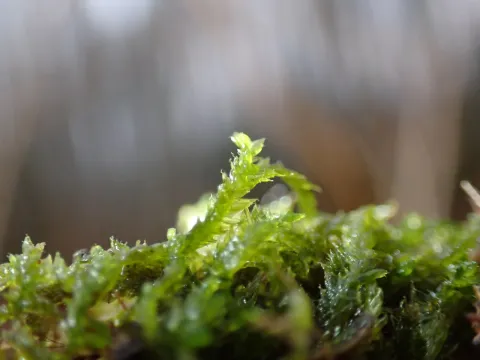
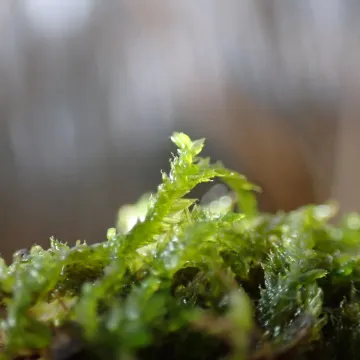
Botanically, Plagiothecium piliferum is characterized by its glossy, flat-pressed shoots and leaves that terminate in a distinct hair-like point (piliferous). This unique structure is an adaptation to efficient water absorption from atmospheric humidity, allowing the moss to maintain metabolic activity even in low-nutrient, high-moisture environments.
From an agro-environmental perspective, the cultivation or protection of this moss relies on maintaining its specific ecological niche. It requires stable shade and protection from desiccation. While not a commercial crop in the traditional sense, its presence acts as a natural mulch, regulating the soil temperature and creating favorable conditions for the germination and growth of woody tree species.
Regarding its health and resilience, the species is highly sensitive to atmospheric pollution, particularly acid rain, and the loss of canopy cover. It does not suffer from typical agricultural pests; however, drastic changes in the hydrologic cycle pose the greatest threat to its vitality. Preserving the integrity of its native habitat is the primary strategy for its sustained growth.
Photo gallery