Plagiothecium laetum
Plagiothecium laetum
Description
Plagiothecium laetum is a perennial moss species belonging to the Plagiotheciaceae family. While it is not a traditional agricultural crop, this bryophyte serves a significant ecological function in forest environments, contributing to nutrient cycling and moisture retention in the forest floor.
The species is widespread across the temperate and boreal regions of the Northern Hemisphere. It thrives in coniferous and mixed forests, often colonizing decaying wood, tree bases, and humid soil surfaces. Its habitat is characterized by stable microclimates with high humidity and relatively low light intensity.
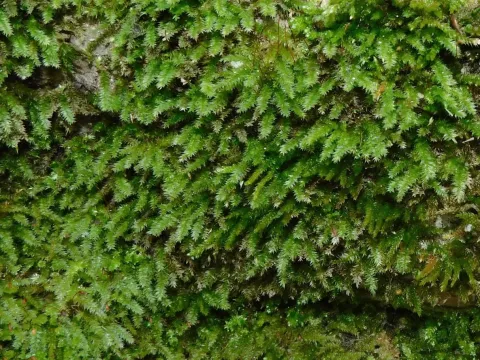
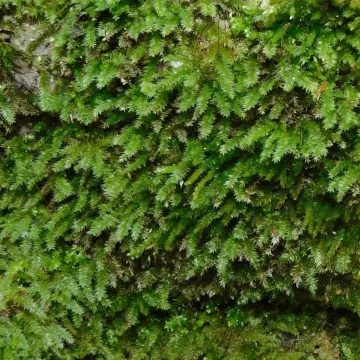
Botanically, this moss forms dense, glossy, pale to yellowish-green mats. Its stems are creeping and branched, with distinctively symmetrical, pressed leaves. The reproduction cycle involves spore dissemination and vegetative growth through fragmentation, which allows the species to occupy suitable ecological niches efficiently.
In terms of environmental requirements, Plagiothecium laetum is highly dependent on consistent atmospheric moisture and the chemical composition of its substrate. It is notably sensitive to air pollution, which often limits its occurrence in urbanized or industrialized areas. Consequently, it acts as an important bioindicator for forest health.
Regarding economic significance, this moss is not cultivated as a crop but possesses potential in specialized restoration ecology and niche landscaping. It contributes to the soil-building process in forest ecosystems. Protection of old-growth forests remains the primary strategy for preserving populations of this species against environmental degradation and habitat loss.
Photo gallery