Plagiothecium curvifolium
Plagiothecium curvifolium
Description
Plagiothecium curvifolium is a species of pleurocarpous moss belonging to the Plagiotheciaceae family. While not a conventional agricultural crop, it is a significant biological component in forestry, serving as a key indicator of environmental health and playing a functional role in moisture retention within woodland ecosystems.
The species has a broad distribution across the temperate regions of the Northern Hemisphere. It thrives in shaded, moist environments, typically colonizing decaying logs, tree bases, and humid forest floors. Its ability to tolerate low-light conditions allows it to occupy niche habitats where higher vascular plants might struggle to survive.
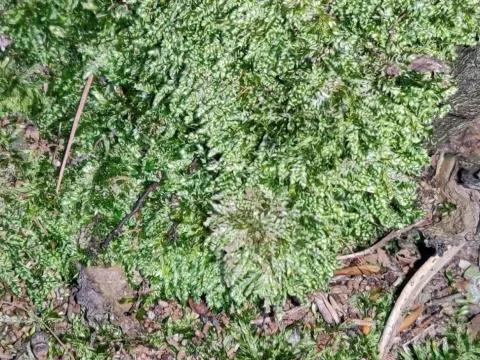
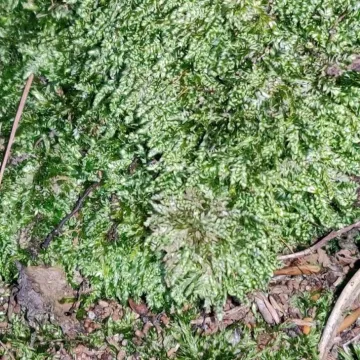
The plant exhibits a prostrate growth habit with glossy, bright green to yellowish-green shoots. The leaves are characteristically curved or falcate, which provides the species with its specific epithet. This moss reproduces primarily via spores produced in cylindrical capsules, though it is also highly capable of vegetative propagation through colony fragmentation.
In terms of specialized uses, Plagiothecium curvifolium is valued in horticulture for creating terrariums and vivariums that replicate temperate forest floors. Due to its aesthetic appeal and structural density, it is preferred by hobbyists and ecological restoration experts for soil covering in protected, humid indoor environments.
Successful management of this moss requires careful control of microclimatic conditions, specifically high humidity and the avoidance of direct, intense sunlight. It is sensitive to water quality, particularly high salt or mineral content. Common pests are generally absent, although fungal growth may occur if the substrate remains waterlogged for extended periods without adequate air circulation.
Photo gallery