Ruthe's Plagiothecium
Plagiothecium ruthei
Description
Ruthe's Plagiothecium (Plagiothecium ruthei) is a perennial moss species belonging to the family Plagiotheciaceae. While it is not cultivated for agricultural commodity production, it represents an essential component of forest biodiversity and serves as a significant subject for bryological research and ecological studies.
The origin and distribution of this moss are concentrated in the temperate regions of the Northern Hemisphere. It thrives in humid forest habitats, where it typically colonizes decaying wood, tree bases, and moist rocky surfaces. The species is highly dependent on localized moisture regimes, which is why it is predominantly found in protected, shadowed forest valleys.
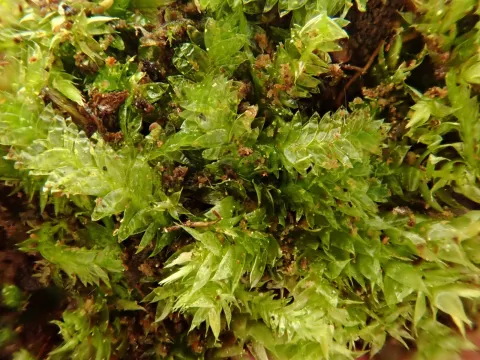
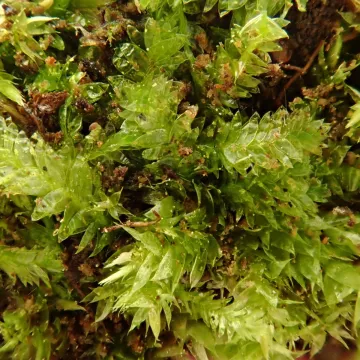
Botanically, the plant develops in compact, often glossy, pale green mats. The stems are prostrate and exhibit irregular branching patterns. The leaves are generally lanceolate or ovate, pressing closely to the stem, which helps in moisture retention and protection against mechanical damage. The overall structure is adapted to maximize the absorption of ambient humidity.
Environmental requirements for Plagiothecium ruthei are specialized; it demands low light intensity and consistent humidity levels. The soil or substrate chemistry should be slightly acidic, rich in organic debris, and capable of maintaining a moist microclimate. It is highly sensitive to desiccation, which restricts its growth to areas where direct airflow and sunlight are minimized.
- Preference for shaded, damp forest environments.
- Growth on organic, decaying substrates.
- High sensitivity to atmospheric pollutants.
- Significant role as a biological indicator for forest health.
The economic and practical utility of this moss is currently limited to environmental monitoring and specialized botanical collections. Its presence indicates a stable and clean ecosystem. Future applications could involve using such species in ecological restoration projects or specialized terrarium cultivation, where high-humidity forest conditions need to be replicated.
Photo gallery