
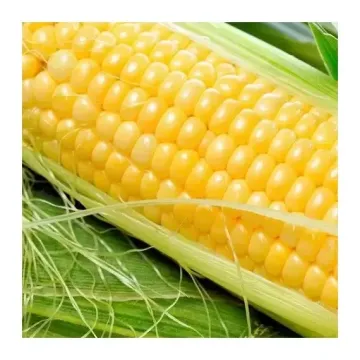
Description
The causal agent of common rust in corn is Puccinia sorghi, a basidiomycete fungus. This pathogen is an obligate biotroph, meaning it requires living host tissue to complete its life cycle. It is a heteroecious rust, alternating its life cycle between corn and an alternate host, typically species of the genus Oxalis, which serves as a reservoir for early-season inoculum.
This disease primarily affects corn crops, including sweet corn, field corn, and popcorn. While plants of all ages can be infected, the disease typically manifests during the mid-to-late vegetative stages. The fungus thrives in climates where corn is grown, provided the microclimate within the canopy remains favorable for fungal growth.
Symptoms are identified by the development of chlorotic spots that eventually evolve into powdery, rust-colored pustules known as uredinia. These pustules appear on both the upper and lower surfaces of the leaves. As the season progresses, these pustules transition to dark brown or black, representing the formation of teliospores, which are the resting stage of the fungus.
The development of the disease is heavily dependent on environmental conditions. High relative humidity and moderate temperatures between 16°C and 25°C are ideal for the germination of urediniospores. Rain splash and wind facilitate the movement of spores within the field and across longer distances, leading to rapid disease progression during humid summers.
The economic impact of Puccinia sorghi is significant. By causing extensive damage to leaf tissue, the pathogen reduces the plant's photosynthetic capacity, resulting in lower grain fill, reduced kernel weight, and increased stalk lodging. In severe cases, especially with susceptible hybrids, yield losses can be substantial, necessitating management interventions.
- Selection and planting of disease-resistant corn hybrids.
- Implementation of crop rotation to break the pathogen's life cycle.
- Monitoring fields for early symptom detection during humid weather.
- Application of foliar fungicides when economic thresholds are met.
- Improving air circulation in fields through appropriate plant population density.
Контент-граф
Connections · Common rust of corn
Most often together:
Marketplace
Products · 165








Fragman
May-Agro Tohumculuk Sanayi ve Ticaret A.Ş.
Sweet Corn
0
0
·
44
4 offers
10.3 €за 1000 шт
Купить


CORN HYBRID RAM 8149
LLC «NDI of Agricultural Business»
Corn
0
0
·
36
5 offers
0.5 €за 1000 шт
Купить


Community
Discussion
No discussions yet — be the first.