
Borey
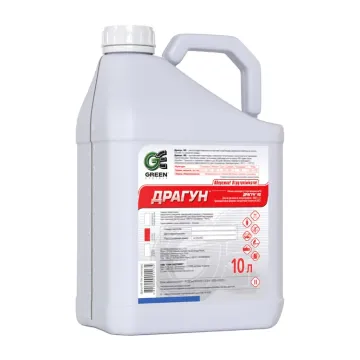
ЗАТ Фірма Август, Росія.,селище Вурнари,
Insecticides, Acaricides
2
4
·
7.5K
9 offers
17.6 €за 1 л
Купить

Ostrinia nubilalis
The European corn borer (Ostrinia nubilalis) is a destructive insect pest belonging to the order Lepidoptera and the family Crambidae. It is widely recognized as one of the most significant threats to maize production globally due to its larval boring behavior.
This species is highly polyphagous and can infest various plants, causing substantial economic losses. Its host range includes, but is not limited to:
The life cycle typically consists of egg, larval, pupal, and adult stages. The insect overwinters as mature larvae in stalks of host plants. Adults emerge in late spring or summer, and females lay eggs in clusters on the undersides of leaves, ensuring larvae have immediate access to food upon hatching.
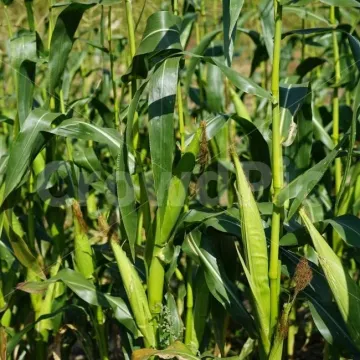
Larval feeding causes severe damage by tunneling into stalks, ears, and leaf midribs. This structural damage weakens the plant, leads to "lodging" (stalk breakage), and disrupts nutrient transport. Furthermore, larval entry points provide easy access for various fungal pathogens, which further reduce crop yield and quality.
Management practices focus on cultural, biological, and chemical methods. Cultural control involves shredding crop residues and deep tillage to expose larvae to winter conditions. Biological control using Trichogramma wasps is a common practice. If thresholds are exceeded, targeted applications of insecticides are necessary during the early larval stage.
Taxonomy and Latin: EPPO Global Database · code PYRUNU












No discussions yet — be the first.