
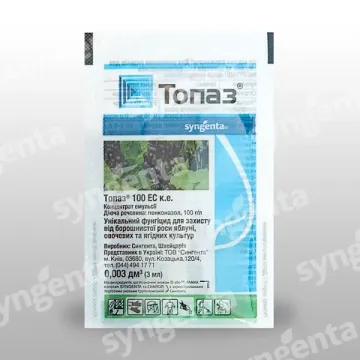
Description
Purple spot is a destructive fungal disease caused by the pathogen Stemphylium vesicarium. It is widely recognized in agricultural practice as a serious threat to several vegetable and ornamental crops, capable of causing rapid foliage necrosis if conditions are favorable for fungal development.
The primary hosts of this disease are asparagus and various species of the Passiflora genus. The fungus attacks the stalks and cladophylls of the plant, significantly impacting the structural integrity and the commercial value of the harvested produce.
Initial symptoms are characterized by small, purple-to-brown sunken spots on the stalks or leaves. Over time, these spots expand, often developing a light-colored center surrounded by a distinct dark halo. In severe cases, the lesions merge, leading to the collapse of the stem or yellowing and premature death of the foliage.
Disease development is highly dependent on environmental conditions, particularly persistent moisture and mild temperatures ranging between 18°C and 25°C. Rain splashing and wind are the main methods of spore dispersal, allowing the fungus to spread rapidly across a field from infected plant debris, which acts as the primary overwintering reservoir.
Effective control measures require an integrated pest management approach. It is essential to remove all infected debris after the growing season to eliminate inoculum sources. Growers should prioritize the use of disease-free planting material, ensure adequate spacing between rows to promote air circulation, and apply preventative fungicides at the onset of favorable weather conditions for the disease.
Biology
Pathogens and affected parts
Affected plant parts
whole plant
Content graph
Affects crops · 2
Контент-граф
Connections · Purple spot
Most often together:
Marketplace
Products · 4


Community
Discussion
No discussions yet — be the first.