

Description
Red raspberry (Rubus idaeus L.) is a perennial shrub belonging to the Rosaceae family, widely recognized for its high-value fruit production. Native to Europe and Northern Asia, it has been successfully introduced to temperate regions across the globe. As a commercial crop, it is valued for its rapid yield potential and diverse applications in both fresh markets and food processing industries.
The biological cycle of the raspberry is defined by biennial shoots. The canes grow vegetatively during their first year and transition to a reproductive state in their second year, producing flowers and fruits before they eventually die. The root system is perennial and fibrous, spreading horizontally via rhizomes. The leaves are compound, typically with five to seven leaflets, which contribute to a robust photosynthetic canopy.
Successful cultivation requires well-drained, fertile soil rich in organic matter with a slightly acidic pH. Raspberries thrive in cool to moderate climates but require protection from extreme winter frosts and summer droughts. Site selection is critical; the location should be open to sunlight but protected from strong, desiccating winds that can damage the delicate fruiting canes.
Agrotechnical management includes systematic pruning of post-harvest canes, weeding, and the application of balanced nutrient programs. Irrigation is paramount, particularly using drip systems to ensure consistent soil moisture without wetting the foliage. Post-harvest, the fruit is highly perishable, necessitating efficient cold chain management for storage and transportation to maintain quality for consumers.
The crop is susceptible to a range of biological stresses that can jeopardize harvest volumes:
- Alternaria, anthracnose, and verticillium wilt
- Rhizoctonia, white root rot, and general root rots
- Tomato mosaic virus and tobacco mosaic virus
Among the arthropod pests that frequently infest raspberry plantations, growers must monitor for pyralid moths, gall midges, sawflies, weevils (blossom beetles), midges, leaf miners, and aphids, all of which require diligent scouting and preventive control measures.
Content graph
Crop diseases · 60
Alternaria leaf spotAnthracnoseArabis mosaicAscospora diebackBlackberry calicoBlackberry rustBlack raspberry streakBlue moldBramble yellow mosaicCane and leaf rustCercospora leaf spotCladosporiosisCrown gallCucumber mosaicDagger nematodeDowny mildew of maize and sorghumEuropean raspberry dwarfFire blightFusarium wiltGnomonia cane cankerGray moldHairy root diseaseLate blightMosaic or ringspotMycosphaerella blotchMycosphaerella leaf spotNectria CankerNeedle nematodeOrange rust of raspberryPhomaPhyllosticta leaf spotPowdery mildewPurple blotch of raspberryRaspberry alpine mosaicRaspberry bushy dwarf virusRaspberry dryberry diseaseRaspberry latent virusRaspberry leaf spotRaspberry mosaicRaspberry vein chlorosisRaspberry yellow spotRhizoctoniaRhizomorph diseaseRoot-knot nematodeRoot rotsRubus stuntRust diseaseSeptoria leaf spotSeptoria leaf spot of raspberrySilver leafSpur blightStamen blightSydowiella cane cankerThimbleberry ringspotTobacco mosaic virusTomato mosaic virusVerticillium wiltWhite leaf spot of strawberryWhite root rotYellow rust
Content graph
Crop pests · 8
Контент-граф
Connections · Red raspberry
Most often together:
Marketplace
Products · 57
All 57
Fungicides 19
Fertilizers 17
Insecticides, Acaricides 8
Herbicides, Desiccants 7
Plant Growth Regulator 4
Raspberry 1
Biological Products 1

Targa Super
Nissan Chemical Corporation, LLC
Herbicides, Desiccants
1
0
·
3.9K
16 offers
6.3 €за 1 л
Купить


Puska
Три Дельта Компані Інтернешнл, Гонконг, Китай.
Insecticides, Acaricides
1
0
·
1.8K
1 offer
0.4 €за 1 л
Купить


Total
Санрайз Кемікалз Ко. Лтд., Шанхай, Китай
Herbicides, Desiccants
0
0
·
1.5K
23 offers
3.5 €за 1 л
Купить
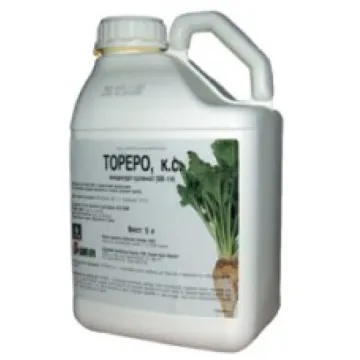
Torero
Finkemü Schwebda, F.GmbH, GERMANY, MEMBER OF GROUP
Herbicides, Desiccants
1
0
·
1.1K
8 offers
13.9 €за 1 л
Купить


Actellic 500 EC
Фірма Кемінова А/С, Данія
Insecticides, Acaricides
0
0
·
80
5 offers
35 €за 1 л
Купить


ACTOVERM (ACTOVERM)
TRADE HOUSE "BTU-Center", LLC
Insecticides, Acaricides
0
0
·
61
2 offers
10.6 €за 1 л
Купить

Humifield Forte
Компанія "Humintech GmbH" (Німеччина)
Fertilizers
0
0
·
57
14 offers
6.8 €за 1 кг
Купить

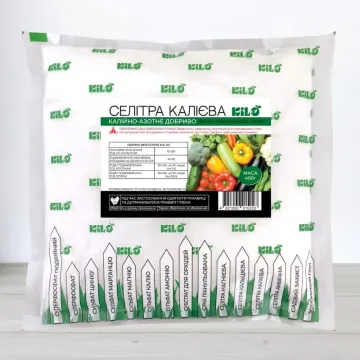
Technical Potassium Nitrate
SEVERODONETSKOE OBYEDNANNYE AZOT, PrAT
Fertilizers
0
0
·
57
1 offer
119.8 €за 1 кг
Купить




Actofit, KE
Manufacturing enterprise "Ukrzoovetprompostach"
Insecticides, Acaricides
0
0
·
41
2 offers
11.3 €за 1 л
Купить


OmyaPro Calcium
«Оміа Хустадмармор АС» («Omya Hustadmarmor AS»), Норвегія.
Fertilizers
0
0
·
37
3 offers
1 €за 1 кг
Купить


Apollo
Ірвіта Плант Протекшн,Н.В.,член групи компаній Мактешим – Аган Індастріз, Ізраїль
Insecticides, Acaricides
0
0
·
28
2 offers
47.8 €за 1 л
Купить


COMPLEX ORGANIC-MINERAL FERTILIZER «COMPLEX+»
LISICHANSKY JELATINOVOY ZAVOD, TDB
Fertilizers
0
0
·
24
4 offers
1 €за 1 кг
Купить

Biofungicide Mikosan «B» and «N», 3% w/v
Mykoton-Aglicon, LLC
Fungicides
0
0
·
21
1 offer
8.8 €за 1 л
Купить


Bayleton 25 z.p.
фірмі Байєр КропСаєнс АГ, м.Франкфурт, Німеччина
Fungicides
0
0
·
37
No offers
—
Details

