
Disease · fungal · affects Citrus, Common pear, Elm
Especially harmful
Citrus black spot
Phyllosticta citricarpa
Description
Citrus black spot, caused by the fungal pathogen Phyllosticta citricarpa (formerly Guignardia citricarpa), is a significant disease affecting citrus species globally. It is considered a quarantine pest in many regions, causing major economic losses in the fruit industry due to trade restrictions and direct crop damage.
The primary symptoms are observed on the fruit peel, manifesting as dark, sunken spots with hard, necrotic centers. Over time, these lesions can expand and coalesce, severely impacting the aesthetic quality of the fruit. In severe cases, the disease leads to premature fruit drop and significant yield reduction.
Disease development is heavily influenced by environmental factors, particularly high humidity and temperatures ranging from 20°C to 30°C. Rain splash and wind are the primary vectors for spore dissemination from infected leaf litter on the ground to the fruit and young shoots of the host tree.
The harmfulness of this pathogen is primarily economic. While the internal quality of the fruit is rarely affected, the external blemishes make the produce unsuitable for the fresh fruit market. Furthermore, heavy infestation can lead to tree decline, reducing the overall vitality of the orchard over successive years.
Management strategies involve a combination of chemical control, such as timely fungicide applications during periods of high infection risk, and strict orchard hygiene. Removing infected leaf litter and ensuring trees are well-pruned to promote airflow are crucial steps in preventing the buildup of fungal inoculum.
- Susceptible hosts: Citrus species, as well as related Phyllosticta species found on papaya, European pear (Pyrus communis), rose, elm (Ulmus), and American cranberry.
Biology
Pathogens and affected parts
Pathogens
Phyllosticta citricarpa· fungus
Ramularia nigromaculans· fungus
Mycosphaerella nigromaculans· fungus
Asteroma ulmeum· fungus
Gloeosporium ulmeum· fungus
Stegophora ulmea· fungus
Asperisporium caricae· fungus
Cercospora papayae· fungus
Phomopsis caricae-papayae· fungus
Alternaria alternata· fungus
Diplocarpon rosae· fungus
Marssonina rosae· fungus
Affected plant parts
whole plant
Content graph
Affects crops · 6
Контент-граф
Connections · Citrus black spot
Most often together:
Marketplace
Products · 17

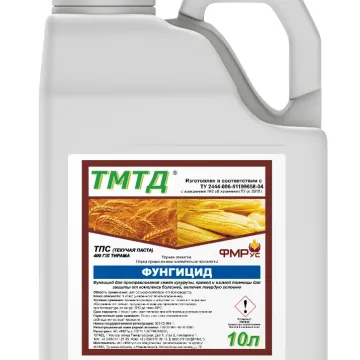
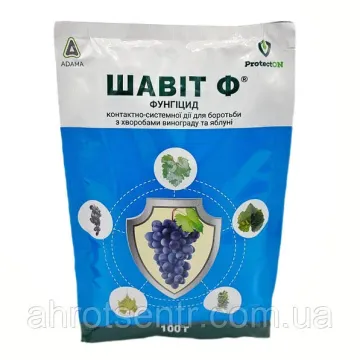




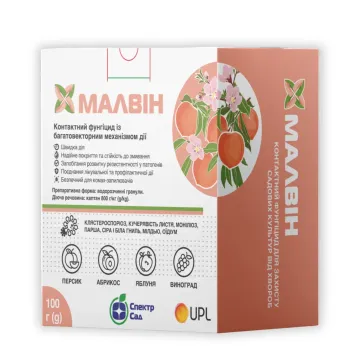


Sinekura 680
Ф.Сімоніс Б.В. Барневелд, Нідерланди.
Fungicides
0
0
·
1.2K
10 offers
5.4 €за 1 л
Купить


Tragon
Три Дельта Компані Інтернешнл, Гонконг, Китай.
Fungicides
0
0
·
828
3 offers
1.2 €за 1 л
Купить


Community
Discussion
No discussions yet — be the first.