

SKU #1517
·
1 216 views
Charleston F1
Tomato
SyngentaUser rating
1 vote0% positive reviews
No ratings yet — be the first.
Plant Type
Indeterminate
Maturation Period
Up to 90 days
Fruit Weight
150 - 200 grams
Fruit Shape
Flat-round
Prices in stores
from60.2 €per 1000 pcs
5 offers from 4 stores
About product
A reliable indeterminate hybrid that forgives management errors and ensures excellent fruit durability during transport.
Plant Type
Indeterminate
Maturation Period
Up to 90 days
Fruit Weight
150 - 200 grams
Fruit Shape
Flat-round
Description
Consistent Yield with Minimized Risks
Working with the indeterminate Charleston F1 tomato from Syngenta gives you the predictability that is often missing in greenhouse production. The plant is vigorous and sets clusters actively, which requires proper trellising and pruning, but the result is well worth the effort. With an average weight of 150–200 grams, the fruits exhibit impressive uniformity, which is critical for grading and marketability.
Plant Health and Resilience
The best part about this hybrid is its resilience in greenhouse environments. Concerns regarding Fusarium or Verticillium wilt are largely managed by the plant's inherent resistance. Its defense against Cladosporium leaf mold and a range of viral pathogens, including Tomato Mosaic Virus, means fewer trips to the greenhouse with fungicides. This doesn't just save money on chemicals; it saves valuable time and minimizes plant stress.
Marketability and Logistics
The flat-round shape and multi-chambered interior deliver the classic tomato flavor that customers demand. However, for producers, the dense skin and excellent transportability are the real highlights. The fruits arrive at the market in pristine condition, free of micro-cracks or bruising. With a maturity window of up to 90 days, you can efficiently plan your production cycles without idle time.
- Type: Indeterminate (continuous growth).
- Output: High-quality fruits, 150–200g.
- Protection: Comprehensive resistance to major soil-borne and viral pathogens.
Crop & resistance
Crop
Disease resistance
Specifications hover over for a hint about the specification
| Plant Type | |
|---|---|
|
Maturation Period
Maturation Period
Vegetation period from emergence to technical maturity 30-50 days. |
Up to 90 days |
|
Fruit Weight
Fruit Weight
Tomato fruits are classified by weight as: very small — less than 20 grams; small — 20 — 50 grams; medium — 50 — 100 grams; large — 100 — 200 grams; very large — more than 200 grams. |
150 - 200 grams |
|
Fruit Shape
Fruit Shape
Modern tomato varieties have a diverse fruit shape: flat, flat-round, round, oval, elongated-oval, pear-shaped, plum-shaped, cube-shaped, and cylindrical. On poorly fertile soils and under unfavorable growing conditions, tomato fruits may take on a more rounded shape. |
|
|
Fruit Color
Fruit Color
The fruit color of tomato varieties is influenced by the combination of skin and flesh color. Some varieties have transparent skin, others — yellow. When combined differently, the fruits can acquire quite diverse colors. The fruit color is affected by pigments (lycopene) and thei... |
|
|
Number of chambers
Number of chambers
An important agronomic trait closely related to fruit size, fleshiness, and seed count. The number of chambers in tomato fruits, or locules, ranges from 2 to over 20. They are determined by counting on a cross-section. Multichamberedness is a trait indicating larger fruit size an... |
|
| Product Type | |
| Transportability | |
| Catalog | Catalog → Tomato |
| Manufacturer | Syngenta |
| Country | Switzerland |
Store offers · 5 from 4 stores
Prices are updated on loadLoading offers…
Aggregator catalog: prices are collected automatically from store websites, normalized by AI and converted at the current exchange rate. Before ordering, confirm the price and availability on the store's website. This block is not indexed by search engines — the data is loaded after the page opens.
Alternatives
Tomato · similar varieties


See also
Often considered together with this variety


Recently viewed
Similar items in this catalog section
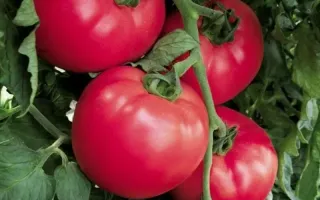


President II F1
Seminis Vegetable Seeds
From your browsing history
1314.7K 21 offer
47.4 €за 1000 шт ≈ 2 420 ₴


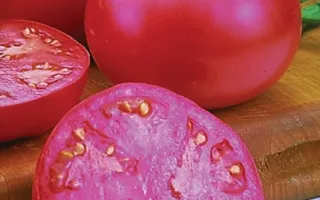
Pink Lady F1 / Pink Girl F1
Seminis Vegetable Seeds
From your browsing history
1911.9K 7 offers
2.9 €за 1000 шт ≈ 148 ₴


Comments · 0