PO
28 June 2011
помидор СУПЕР



Tomato
Syngenta
A reliable semi-determinate hybrid with robust immunity against soil-borne infections and nematodes.
The Minaret F1 tomato from Syngenta is a semi-determinate hybrid designed for those prioritizing predictable results in intensive cultivation environments. The core advantage of this seed material lies in its balanced genetics, which mitigates significant risks associated with both greenhouse and open-field production.
The primary feature of this hybrid is its comprehensive resistance to soil-borne and systemic diseases. Syngenta’s breeding program has integrated mechanisms into the plant genome to resist critical threats:
The semi-determinate growth habit ensures an optimal balance between vegetative mass and generative load. This technically simplifies crop maintenance: the plant is self-regulating, reducing labor costs for pruning. The maturity period of up to 90 days allows growers to schedule consistent market supply cycles effectively.
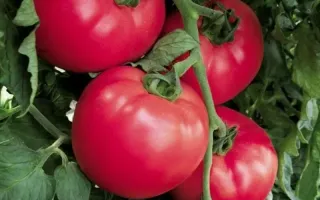
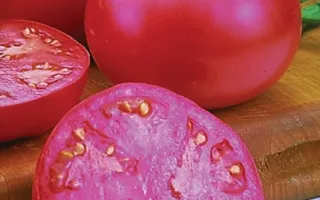
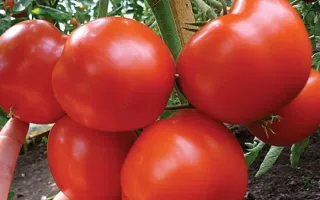
The fruits, weighing 150–200 grams, feature a rounded shape and a dense structure. The presence of 4–6 locular cavities ensures ideal internal texture, enhancing shelf life and transportability. The deep red color indicates high lycopene content, a hallmark of breeding efforts focused on the synergy between yield potential and commercial quality.
| Plant Type | |
|---|---|
|
Maturation Period
Maturation Period
Vegetation period from emergence to technical maturity 30-50 days. |
Up to 90 days |
|
Fruit Weight
Fruit Weight
Tomato fruits are classified by weight as: very small — less than 20 grams; small — 20 — 50 grams; medium — 50 — 100 grams; large — 100 — 200 grams; very large — more than 200 grams. |
150 - 200 grams |
|
Fruit Shape
Fruit Shape
Modern tomato varieties have a diverse fruit shape: flat, flat-round, round, oval, elongated-oval, pear-shaped, plum-shaped, cube-shaped, and cylindrical. On poorly fertile soils and under unfavorable growing conditions, tomato fruits may take on a more rounded shape. |
|
|
Fruit Color
Fruit Color
The fruit color of tomato varieties is influenced by the combination of skin and flesh color. Some varieties have transparent skin, others — yellow. When combined differently, the fruits can acquire quite diverse colors. The fruit color is affected by pigments (lycopene) and thei... |
|
|
Number of chambers
Number of chambers
An important agronomic trait closely related to fruit size, fleshiness, and seed count. The number of chambers in tomato fruits, or locules, ranges from 2 to over 20. They are determined by counting on a cross-section. Multichamberedness is a trait indicating larger fruit size an... |
|
| Product Type | |
| Catalog | Catalog → Tomato |
| Manufacturer | Syngenta |
| Country | Switzerland |
Aggregator catalog: prices are collected automatically from store websites, normalized by AI and converted at the current exchange rate. Before ordering, confirm the price and availability on the store's website. This block is not indexed by search engines — the data is loaded after the page opens.
Tomato · similar varieties
Often considered together with this variety


Similar items in this catalog section






Comments · 1