


SKU #2344
·
3 712 views
Tyler F1
Tomato
Kitano SeedsUser rating
8 votes75% positive reviews
No ratings yet — be the first.
Product Type
Seeds; Seed material
Plant Type
Indeterminate
Fruit Weight
150 - 200 grams
Fruit Shape
Round
Prices in stores
from16.9 €per 1000 pcs
18 offers from 8 stores
About product
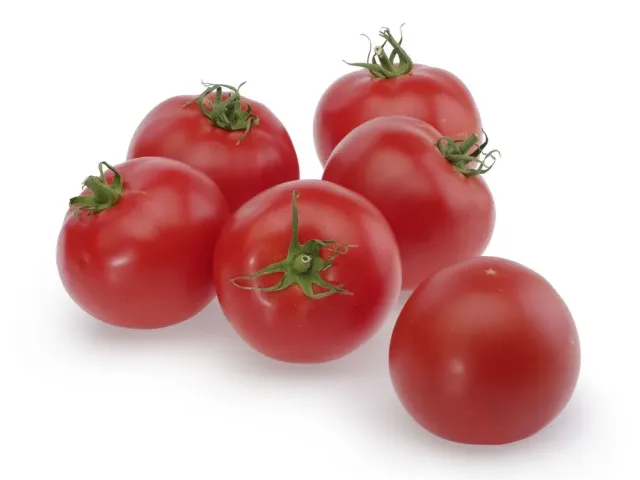
An indeterminate hybrid with a strong immune barrier and excellent shelf life for professional production.
Product Type
Seeds; Seed material
Plant Type
Indeterminate
Fruit Weight
150 - 200 grams
Fruit Shape
Round
Description
Technological Potential of the Tyler F1 Hybrid
The Japanese breeding program of Kitano Seeds focuses on maximizing commercial efficiency, and Tyler F1 is a prime example of a specialized solution for the professional segment. The indeterminate growth habit of this tomato requires pruning and staking; however, this architecture allows the plant to efficiently allocate photosynthates, directing energy into the development of medium-sized fruits (150–200 g).
Genetic Protection and Phytosanitary Barrier
The key engineering challenge addressed by Kitano breeders was the creation of a robust immune response to critical pathogens. Under field conditions, Tyler F1 exhibits resistance to a complex of diseases that typically reduce marketable yield:
- Bacterial Threats: Tolerance to bacterial spot and bacterial canker minimizes the risk of losing crops during humidity fluctuations.
- Soil-borne Pathogens: Genetic resistance to Fusarium wilt (races 0, 1) and Verticillium wilt allows for the use of this hybrid in intensive crop rotations without the risk of sudden plant collapse.
- Viral Block: High resistance to Tomato Mosaic Virus protects the apical meristem, maintaining consistent plant growth rates.
Post-Harvest Characteristics: Logistics and Storage
Tyler F1 is engineered for supply chains with long realization cycles. The dense internal structure of the fruit combined with its round shape is not just aesthetic—it is an engineering solution that prevents mechanical damage during transport. A shelf life of 20–30 days is achieved through slowed metabolic processes in the skin and flesh. This makes the hybrid an ideal tool for producers targeting remote markets where maintaining product quality weeks after harvest is critical.
Video · 1 video
Suggest a video →Crop & resistance
Crop
Specifications hover over for a hint about the specification
| Product Type | |
|---|---|
| Plant Type | |
|
Fruit Weight
Fruit Weight
Tomato fruits are classified by weight as: very small — less than 20 grams; small — 20 — 50 grams; medium — 50 — 100 grams; large — 100 — 200 grams; very large — more than 200 grams. |
150 - 200 grams |
|
Fruit Shape
Fruit Shape
Modern tomato varieties have a diverse fruit shape: flat, flat-round, round, oval, elongated-oval, pear-shaped, plum-shaped, cube-shaped, and cylindrical. On poorly fertile soils and under unfavorable growing conditions, tomato fruits may take on a more rounded shape. |
|
|
Fruit Color
Fruit Color
The fruit color of tomato varieties is influenced by the combination of skin and flesh color. Some varieties have transparent skin, others — yellow. When combined differently, the fruits can acquire quite diverse colors. The fruit color is affected by pigments (lycopene) and thei... |
|
| Transportability | |
|
Storage
Storage
Depending on the variety characteristics, the storage period for heads may vary from one month for early varieties to eight months for late cabbage varieties. |
20-30 days |
|
Maturation Period
Maturation Period
Vegetation period from emergence to technical maturity 30-50 days. |
90-100 days |
| Catalog | Catalog → Tomato |
| Manufacturer | Kitano Seeds |
| Country | Japan |
Store offers · 18 from 8 stores
Prices are updated on loadLoading offers…
Aggregator catalog: prices are collected automatically from store websites, normalized by AI and converted at the current exchange rate. Before ordering, confirm the price and availability on the store's website. This block is not indexed by search engines — the data is loaded after the page opens.
Alternatives
Tomato · similar varieties


See also
Often considered together with this variety


Recently viewed
Similar items in this catalog section


President II F1
Seminis Vegetable Seeds
From your browsing history
1314.7K 21 offer
47.4 €за 1000 шт ≈ 2 420 ₴


Pink Lady F1 / Pink Girl F1
Seminis Vegetable Seeds
From your browsing history
1911.9K 7 offers
2.9 €за 1000 шт ≈ 148 ₴


Comments · 0