

Pest · Diptera (flies) · affects Fodder beet, Sunflower, Winter barley
Hessian fly
Mayetiola destructor
Description
The Hessian fly (Mayetiola destructor) is a significant insect pest belonging to the Cecidomyiidae family of the order Diptera. Originally from Europe, it has become a major agricultural pest worldwide, particularly affecting wheat production by compromising the structural integrity of crops.
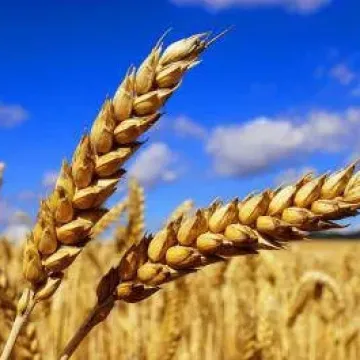
The primary host plants for this pest include wheat, barley, and rye. While it prefers these cultivated cereals, the Hessian fly can also complete its life cycle on certain wild grasses, which act as secondary hosts and reservoirs that allow the population to persist between cropping seasons.
The life cycle consists of the egg, larval, pupal, and adult stages. Females lay eggs on the upper surface of leaves. Once hatched, the larvae migrate to the leaf sheath, where they begin feeding on the plant tissue. They eventually enter a dormant pupal stage, commonly referred to as the 'flaxseed' stage, due to its resemblance to a flax seed.
The damage caused by the Hessian fly is mechanical and chemical. Feeding larvae stunt the plant's growth by interfering with nutrient transport. Heavily infested stems become weak and are prone to lodging. This reduction in the plant's vitality leads to significant grain yield losses, reduced kernel weight, and in severe cases, complete crop failure.
Effective management requires an integrated approach. Cultural practices such as planting wheat after the fly-free date, destroying volunteer wheat, and crop rotation are the primary lines of defense. Chemical control using systemic insecticides as seed treatments or foliar sprays during peak adult activity is often necessary in regions with high infestation pressure.
Biology
Taxonomy
- Latin name
- Mayetiola destructor
- Order
- Diptera (flies)
- Family
- Cecidomyiidae
Taxonomy and Latin: EPPO Global Database · code MAYEDE
Контент-граф
Connections · Hessian fly
Most often together:
Marketplace
Products · 10




Community
Discussion
No discussions yet — be the first.