

Description
Fusarium head blight is a dangerous fungal disease of cereal crops caused by the pathogen Fusarium culmorum and other species of the Fusarium genus. The disease belongs to the group of infections affecting the plant's reproductive organs during flowering and grain development, making it one of the most destructive diseases in grain farming.
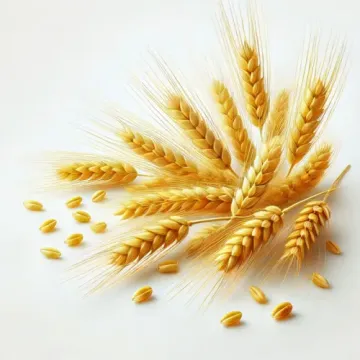
The primary crop susceptible to this disease is winter wheat, although the pathogen can also affect barley, rye, oats, and maize. The infection spreads actively under conditions of high humidity and moderate temperatures, typical for the heading and flowering stages of cereals.
The first and most noticeable symptom is the premature bleaching or whitening of individual spikelets or parts of the ear, while the rest of the plant remains green. In wet weather, a characteristic pinkish-orange or reddish mold appears on the affected glumes, which represents the sporulation of the fungus.
The damage caused by Fusarium head blight is not limited to a significant reduction in the thousand-kernel weight and grain shriveling. The main danger lies in the accumulation of hazardous mycotoxins, such as deoxynivalenol (DON), which render the harvested grain unsuitable for food consumption or animal feed.
Protection strategies include strict crop rotation, deep tillage of crop residues, the use of resistant varieties, and seed treatment. An essential step is the timely application of fungicides during the wheat flowering phase, which effectively prevents direct infection of the ear by the pathogen.
- Maintaining crop rotation (avoiding cereal-on-cereal sequences).
- Application of triazole-class fungicides at the early flowering stage.
- Quality seed cleaning and seed treatment.
- Shredding and incorporation of corn residues and stubble into the soil.
Biology
Pathogens and affected parts
Pathogens
Fusarium culmorum· fungus
Fusarium acuminatum· fungus
Fusarium scirpi· fungus
Gibberella acuminata· fungus
Microcera acuminata· fungus
Fusarium avenaceum· fungus
Fusisporium avenaceum· fungus
Gibberella avenacea· fungus
Fusarium cerealis· fungus
Nelson· fungus
Fusarium sambucinum· fungus
Fusisporium cerealis· fungus
Affected plant parts
ear
Content graph
Affects crops · 1
Контент-граф
Connections · Fusarium head blight
Most often together:
Marketplace
Products · 1022
All 1022
Wheat 580
Fungicides 315
Triticale 56
Rye 26
Tulips 11
Barley 8
Herbicides, Desiccants 8
Corn 4
Plant Growth Regulator 4
Soybean 2
Fescue 2
Hemp 2
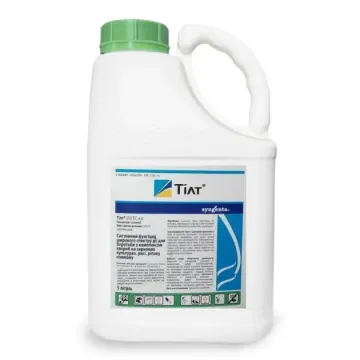

Kolosal Pro
ЗАТ Фірма Август, Росія.,селище Вурнари,
Fungicides
1
1
·
5.2K
13 offers
0.2 €за 1 л
Купить


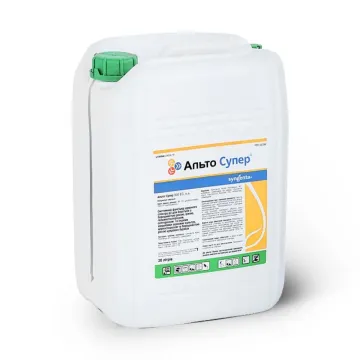
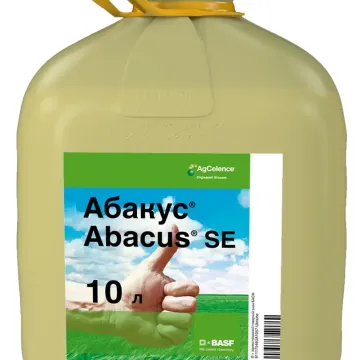
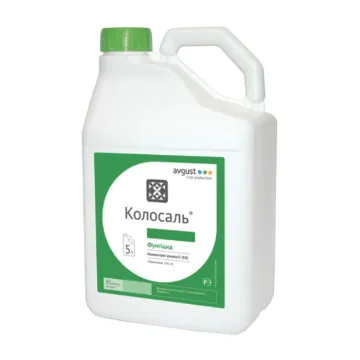






Unique
ТОВ «Фабрика агрохімікатів», Черкаси, Україна
Fungicides
0
0
·
1.5K
15 offers
0.3 €за 1 л
Купить

Bumper Super 490
F. Macteshim Chemical Works, LLC
Fungicides
0
0
·
1.5K
7 offers
15.4 €за 1 л
Купить


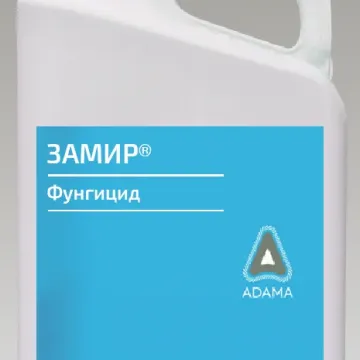

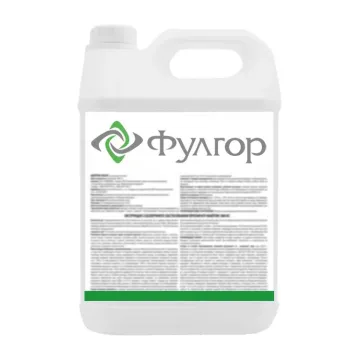
Fulgor 250
Фадер Альянс Лтд., Великобританія (Fader Alliance Ltd., England) на заводах Нідерландів, Польщі
Fungicides
0
0
·
1.1K
5 offers
0.6 €за 1 л
Купить


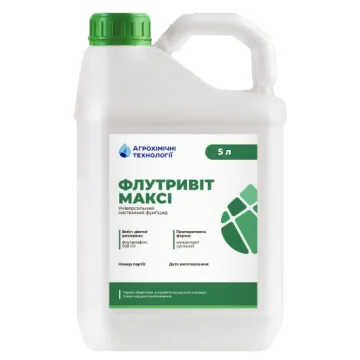
Flutrivit
Jiangsu Institute of Ecomones Co., Ltd.
Fungicides
0
0
·
1.1K
12 offers
11.4 €за 1 л
Купить

Impal
Три Дельта Компані Інтернешнл, Гонконг, Китай.
Fungicides
0
0
·
974
5 offers
10.3 €за 1 л
Купить









Community
Discussion
No discussions yet — be the first.