

Pest · Lepidoptera (butterflies) · affects Winter rapeseed, Winter wheat, Soybean
Especially harmful
Soybean pod borer
Leguminivora glycinivorella
Description
The soybean pod borer (Leguminivora glycinivorella) is a serious agricultural pest belonging to the Tortricidae family. It is considered one of the most destructive insects affecting soybean production in major growing regions, often leading to substantial yield losses.
The primary host for this pest is the soybean plant. The larvae bore into the developing pods to feed on the seeds, which significantly compromises both the seed quality and the overall weight of the harvested crop.
The life cycle begins with overwintering larvae in soil cocoons. In the summer, the adult moths emerge and lay eggs on the surface of the pods. After hatching, the larvae penetrate the pod walls, creating internal galleries as they feed on the developing seeds before they prepare to overwinter.
The damage caused by the soybean pod borer is not limited to physical consumption of the seeds. By creating entry points, the larvae expose the inner beans to pathogens, such as mold and various bacteria, which further degrades the quality of the harvest and affects germination rates in subsequent seasons.
Management strategies focus on integrated pest management (IPM) practices. Key measures include the use of pheromone traps for monitoring populations, planting resistant soybean varieties, and applying targeted insecticides during the peak egg-laying period. Additionally, deep tillage helps to disrupt the larvae's soil-based overwintering sites.
Biology
Taxonomy
- Latin name
- Leguminivora glycinivorella
- Order
- Lepidoptera (butterflies)
- Family
- Tortricidae
Taxonomy and Latin: EPPO Global Database · code LASPGL
Content graph
Damages crops · 8
Контент-граф
Connections · Soybean pod borer
Most often together:
Marketplace
Products · 5
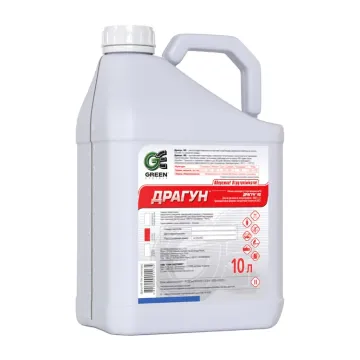
Dragun
Nanjing No.1 Pesticide Factory of Red Sun Group Co., Ltd.
Insecticides, Acaricides
0
1
·
2.3K
2 offers
0.9 €за 1 л
Купить

Raut
Три Дельта Компані Інтернешнл, Гонконг, Китай.
Insecticides, Acaricides
0
0
·
735
2 offers
4.9 €за 1 л
Купить


Community
Discussion
No discussions yet — be the first.