

Description
Leaf mold, scientifically known as Cladosporium fulvum, is a common and destructive fungal disease that primarily affects tomato plants, especially those cultivated in greenhouses. The pathogen thrives as a saprophyte on decaying organic matter but readily infects living leaf tissue when favorable environmental conditions occur.
The host range is largely restricted to the Solanaceae family, with tomatoes being the most economically significant. The fungus spreads through its conidia, which are easily detached and transported by air currents, water splashes, and physical contact with contaminated tools, clothing, or greenhouse surfaces.
The characteristic symptoms begin as yellowish, indistinct spots on the upper leaf surface. As the fungus matures, these spots turn brown, and a distinct olive-green to gray, fuzzy, velvet-like fungal growth develops on the corresponding underside of the leaves. Severe infections lead to leaf necrosis, curling, and premature leaf drop.
High humidity, typically above 85%, combined with moderate temperatures ranging from 20°C to 25°C, provides the ideal environment for the development and spread of the disease. Inadequate ventilation and dense plant spacing in greenhouses are primary contributors to rapid outbreaks that can devastate an entire crop within a few weeks.
The economic impact is significant due to the loss of foliage, which reduces the plant's ability to photosynthesize, resulting in smaller, poor-quality fruits. Integrated management practices include:
- Utilizing disease-resistant tomato varieties and hybrids.
- Installing proper ventilation systems to reduce relative humidity.
- Implementing drip irrigation to keep foliage dry.
- Pruning lower leaves to improve air circulation within the canopy.
- Applying systemic or contact fungicides during the early stages of the disease.
Контент-граф
Connections · Leaf mold
Most often together:
Marketplace
Products · 2779
All 2779
Wheat 843
Cucumber 382
Tomato 353
Barley 219
Sunflower 110
Soybean 93
Fungicides 77
Pepper 67
Triticale 66
Rosa 62
Lettuce 60
Potato 49


Pink Lady F1 / Pink Girl F1
Seminis Vegetable Seeds
Tomato
19
8
·
11.9K
7 offers
2.9 €за 1000 шт
Купить








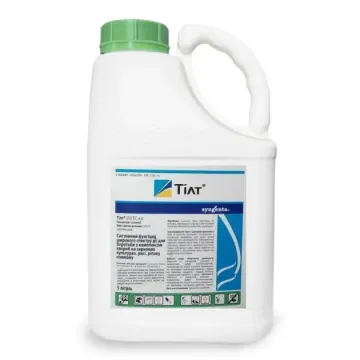

Kolosal Pro
ЗАТ Фірма Август, Росія.,селище Вурнари,
Fungicides
1
1
·
5.2K
13 offers
0.2 €за 1 л
Купить

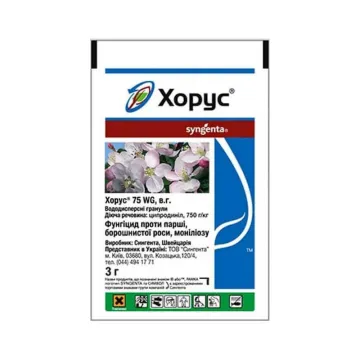




Vitavax 200 FF
Crompton (Uniroyal Chemical) Registration Limited
Fungicides
1
0
·
4.1K
7 offers
6.3 €за 1 л
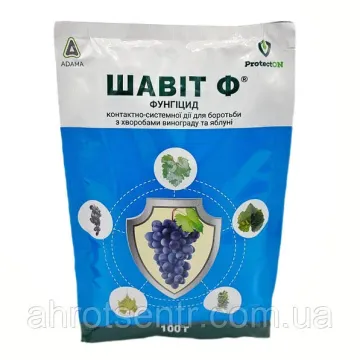
Купить












Community
Discussion
No discussions yet — be the first.