

Disease · fungal · affects Arabica coffee, Asparagus, Barberton daisy
Especially harmful
Ascochyta blight
Ascochyta
Description
Ascochyta blight is a serious fungal disease caused by various species of the Ascochyta genus. This disease primarily manifests as leaf spots and necrotic lesions on stems, leaves, and pods, eventually leading to reduced yields and poor seed quality. It is a major concern for both commercial agriculture and home gardening.
The pathogen is highly host-specific to certain families and affects a wide range of crops including chickpeas, peanuts, hemp, asparagus, watermelons, and coffee (both Coffea arabica and Coffea canephora). Some ornamental plants, such as the Carpathian bellflower (Campanula carpatica), are also susceptible to this type of blight.
Symptoms typically start as small, irregular or circular spots that develop a dark border. As the infection progresses, the centers of these lesions become covered with tiny black structures known as pycnidia. These serve as the reproductive units of the fungus. Under severe conditions, the plant may experience total wilting, severe pod deformation, or stem breakage.
The development of the disease is highly dependent on environmental factors, particularly wet and humid weather. Rainfall and high humidity during the vegetative stage facilitate the dispersal of fungal spores. Poor ventilation in dense plantings significantly increases the risk of the pathogen taking hold and spreading rapidly across the entire field.
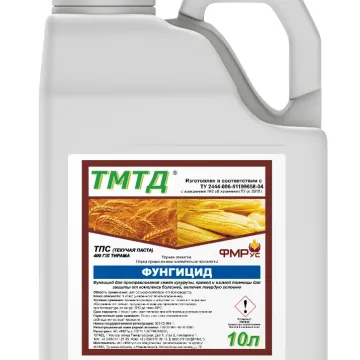
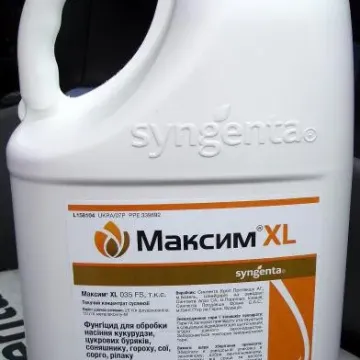
Management strategies focus on a multi-faceted approach. This includes the use of certified disease-free seeds and the implementation of crop rotation cycles to break the fungal life cycle in the soil. Maintaining field hygiene by removing crop debris and applying fungicides during favorable disease conditions are crucial steps in preventing significant economic losses.
Biology
Pathogens and affected parts
Pathogens
Ascochyta· fungus
Ascochyta doronici· fungus
Ascochyta asparagina· fungus
Ascochyta bohemica· fungus
Ascochyta rabiei· fungus
Ascochta tarda· fungus
Ascochyta tarda· fungus
Ascochyta maydis· fungus
Ascochyta zeae· fungus
Ascochyta zeina· fungus
Ascochyta gossypii· fungus
Ascochyta phaseolorum· fungus
Affected plant parts
leafwhole plantstem
Content graph
Affects crops · 23
Контент-граф
Connections · Ascochyta blight
Most often together:
Marketplace
Products · 772
















Community
Discussion
No discussions yet — be the first.