

Colorado potato beetle
Description
Systematic position: The Colorado potato beetle (Leptinotarsa decemlineata) belongs to the order Coleoptera and the family Chrysomelidae. It is considered one of the most destructive agricultural pests affecting potato crops across North America, Europe, and Asia.
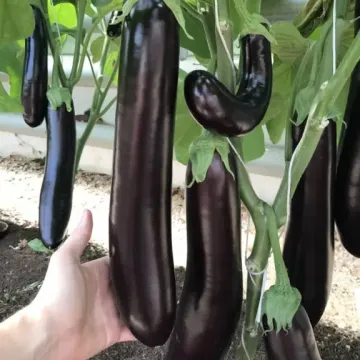
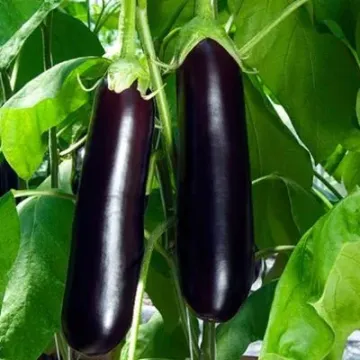
Host crops: The primary host plant is the potato, but the beetle also feeds extensively on other solanaceous crops including tomatoes, eggplants, and peppers. Wild relatives of these plants serve as alternative food sources, allowing the pest to maintain high populations in various environments.
Biology and life cycle: Adult beetles overwinter in the soil. In the spring, they emerge, feed, and mate. Females lay clusters of orange-yellow eggs on the undersides of leaves. The life cycle consists of the egg stage, four larval instars, a pupal stage in the soil, and the adult stage. Multiple generations can occur within a single growing season.
Damage and economic importance: Both adults and larvae are voracious feeders. They cause severe defoliation of plants, consuming leaves and sometimes tender stems. This intense feeding reduces the plant's ability to produce energy through photosynthesis, directly impacting the size and quality of potato tubers, often resulting in significant yield loss.
Control measures: Management requires an integrated approach to be effective:
- Crop rotation to break the pest's life cycle.
- Physical barriers and hand-picking for smaller gardens.
- Use of natural predators and biological insecticides like Spinosad or Bt.
- Application of chemical insecticides, while rotating modes of action to prevent the development of resistance.
- Field sanitation to eliminate late-season weeds and host plants.
Контент-граф
Connections · Colorado potato beetle
Most often together:
Nutrient elements
1 связь
Marketplace
Products · 4

Community
Discussion
No discussions yet — be the first.