
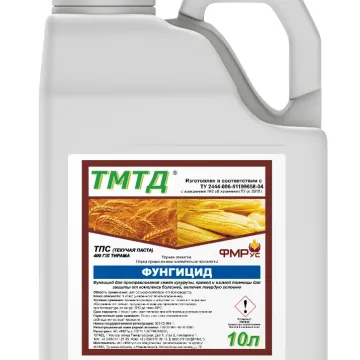
Description
Thiram is a broad-spectrum contact fungicide belonging to the dithiocarbamate chemical class. It is primarily utilized in agriculture as a seed treatment agent to protect crops against various fungal pathogens that reside in the soil or on the surface of the seeds. By forming a protective film, it prevents seed decay and the development of seedling diseases during the critical germination phase.
The mode of action for Thiram is multi-site, meaning it interferes with several metabolic processes within the fungal cell simultaneously. It inhibits essential enzymes and disrupts cellular respiration, specifically targeting oxidative phosphorylation. Because it acts on multiple metabolic pathways, the probability of fungi developing resistance to Thiram remains very low, making it a reliable tool in integrated pest management.
Thiram is effective against a diverse array of fungal pathogens, including species from the Oomycetes and Ascomycetes classes. It is registered for use on a wide variety of crops, such as cereals, corn, sunflower, sugar beet, and various horticultural plants. Key diseases controlled by Thiram include:
- Damping-off (root and hypocotyl rot);
- Seed-borne molds and decay;
- Smut diseases;
- Anthracnose;
- Downy mildew.
When applying Thiram, it is essential to ensure uniform distribution across the seed coat. Modern formulations are designed to have high adhesion, which prevents the active ingredient from dusting off after the seeds are treated. The product can be applied through professional seed treatment facilities or on-farm using specialized equipment to ensure each seed receives a sufficient dosage for effective protection.
Safety is a priority when handling Thiram. The substance is classified as moderately toxic, so handlers must wear appropriate personal protective equipment (PPE), including chemical-resistant gloves, respirators, and eye protection. Environmental precautions must be strictly followed to prevent runoff into water bodies. After operations, all equipment must be properly cleaned, and waste must be disposed of in accordance with local environmental regulations.
Контент-граф
Connections · Thiram
Most often together:
Marketplace
Products · 44

Vitavax 200 FF
Crompton (Uniroyal Chemical) Registration Limited
Fungicides
1
0
·
4.1K
7 offers
6.3 €за 1 л
Купить


Vispar
Ф.Суперус Ко ., Лтд., Гонг-Конг, Шанхай, Китай.
Fungicides
0
0
·
878
6 offers
1.6 €за 1 л
Купить


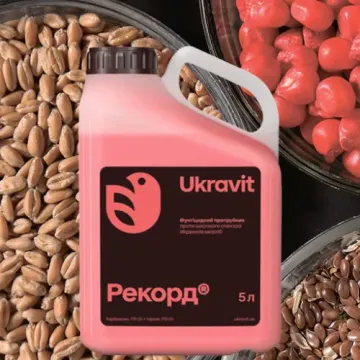

TMTD w.s.c.
ЗАТ Фірма Август, Росія.,селище Вурнари,
Fungicides
0
0
·
48
4 offers
3.6 €за 1 л
Купить


Vesper w.c.s.
Ф.Суперус Ко ., Лтд., Гонг-Конг, Шанхай, Китай.
Fungicides
0
0
·
43
1 offer
12.93 €
Купить


TMTD V.S.K. Fungicide for Seed Treatment
ЗАТ Фірма Август, Росія.,селище Вурнари,
Fungicides
0
0
·
39
4 offers
3.6 €за 1 л
Купить


Vipsar w.s.c.
Ф.Суперус Ко ., Лтд., Гонг-Конг, Шанхай, Китай.
Fungicides
0
0
·
33
1 offer
12.93 €
Купить


Royalflor 48% w.s.
Кеитура Корпорейшн С.р.л., Італія
Fungicides
0
0
·
33
8 offers
6.9 €за 1 л
Купить

Vencedor
Jiangsu SevenContinent Green Chemical Co., Ltd.
Fungicides
0
0
·
31
8 offers
7.3 €за 1 л
Купить


Stirax V.S.K.
Санрайз Кемікалз Ко. Лтд., Шанхай, Китай
Fungicides
0
0
·
30
3 offers
10.6 €за 1 л
Купить


Granivit v.s.k.
China Chemical Industrial & Rice Co. Ltd
Fungicides
0
0
·
28
1 offer
0.6 €за 1 л
Купить


Vencedor
Jiangsu SevenContinent Green Chemical Co., Ltd.
Fungicides
0
0
·
28
3 offers
7.2 €за 1 л
Купить

Rekord
ТОВ «Фабрика агрохімікатів», Черкаси, Україна
Fungicides
0
0
·
26
9 offers
8.7 €за 1 л
Купить


