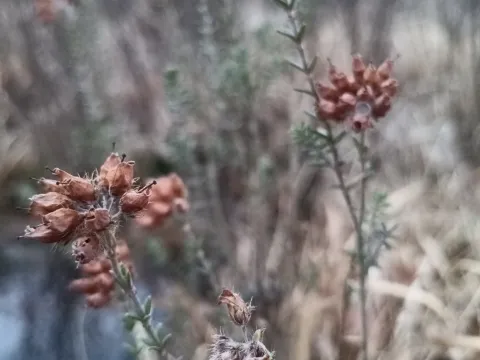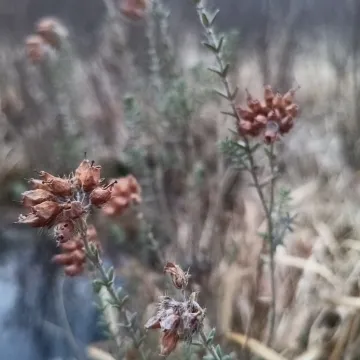

Cross-leaved heath
Erica tetralix L.
Description
Cross-leaved heath (Erica tetralix L.) is a perennial evergreen shrub belonging to the Ericaceae family. Known for its distinct foliage and delicate, bell-shaped pink flowers, this plant is a staple for gardeners interested in creating heath-like landscapes and sustainable, low-maintenance garden displays.
The species is native to Western and Northern Europe, thriving naturally in moist, acidic habitats such as heathlands, bogs, and moorlands. Botanically, it is identified by its small, grey-green leaves that grow in whorls of four along the stems, giving the plant a structured, dense appearance that remains attractive throughout the year.
When it comes to cultivation, success depends entirely on the soil environment. As an acid-loving plant, it requires well-draining, acidic, organic-rich soil, such as a mixture of peat moss or composted pine needles. It does not tolerate alkaline conditions, so limestone-based soils or hard tap water should be strictly avoided to prevent chlorosis and root damage.
In terms of agricultural and horticultural use, the plant is valued for its hardiness and ornamental appeal. It serves as an excellent groundcover that prevents erosion and suppresses weed growth in shaded or semi-shaded garden areas. Its ability to thrive in poor, damp soils makes it a perfect candidate for areas of the garden where other plants might struggle to survive.
Common issues include fungal infections like root rot, typically caused by poor drainage or excessive humidity around the root crown. Pests such as aphids and spider mites can occasionally affect the foliage, but these can be managed through good garden hygiene and keeping the plant in optimal conditions. Regular mulching with organic material helps maintain soil moisture and acidity levels.
Photo gallery