Fringed heath
Erica ciliaris L.
Description
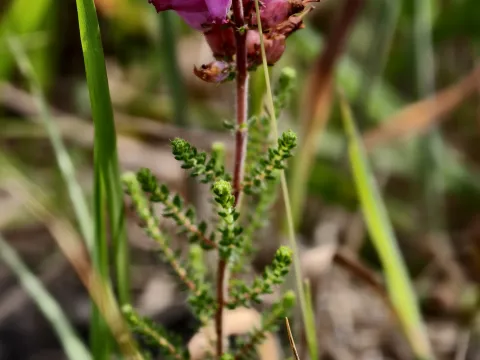
Fringed heath (Latin: Erica ciliaris L.) is a perennial evergreen subshrub belonging to the Ericaceae family. It is a specialized crop valued both in horticultural production and as an essential component of ecological landscape restoration, prized for its aesthetic appeal and biological resilience.
The native range of the species covers the Atlantic regions of Europe, including parts of France, Spain, Portugal, and the British Isles. The plant typically inhabits damp heaths and oceanic slopes, areas defined by high humidity and moderate maritime climates with limited frost exposure.
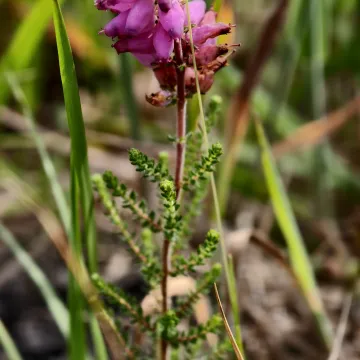
Botanically, Fringed heath is recognized by its densely hairy stems and small leaves with ciliated margins, which assist in moisture retention. The plant produces delicate, bell-shaped flowers arranged in terminal racemes, typically appearing from mid-summer through early autumn, providing an important resource for pollinators.
Cultivation requirements are strict, as the plant necessitates acidic, well-drained soils with a pH ranging between 4.5 and 5.5. Fringed heath thrives in environments rich in organic matter and is strictly calcifuge, meaning it will show symptoms of chlorosis if exposed to alkaline conditions or calcium-rich substrates.
Agricultural management involves careful moisture control and annual mulching with coniferous material to mimic the forest floor and stabilize soil pH. Propagation is primarily achieved through cuttings, as the plant relies on specific mycorrhizal associations that make successful establishment dependent on precise soil preparation and care.
- Preference for acidic soil (pH 4.5–5.5).
- High humidity requirement with excellent drainage.
- Significant role as a late-season nectar source.
- Susceptibility to root rot in waterlogged conditions.
- Ornamental value in specialized ericaceous landscaping.
Pathological issues often involve fungal infections like Phytophthora, usually triggered by poor drainage or overwatering. Insect pests such as spider mites and scale insects can impact leaf vitality, requiring integrated pest management strategies that protect the plant's delicate symbiotic soil ecology while ensuring health.
Photo gallery