
Description
Lespedeza buergeri is a perennial shrub species within the Fabaceae family, valued for its hardiness and ecological benefits. It serves as a significant biological agent in soil conservation efforts while providing high-quality biomass for various agricultural purposes.
Native to East Asia, specifically Japan, China, and Korea, this species thrives in mountainous environments and well-drained soils. Its natural habitat indicates a high tolerance for varied light conditions, although it performs best in sunny locations which promote denser foliage and more profuse flowering.
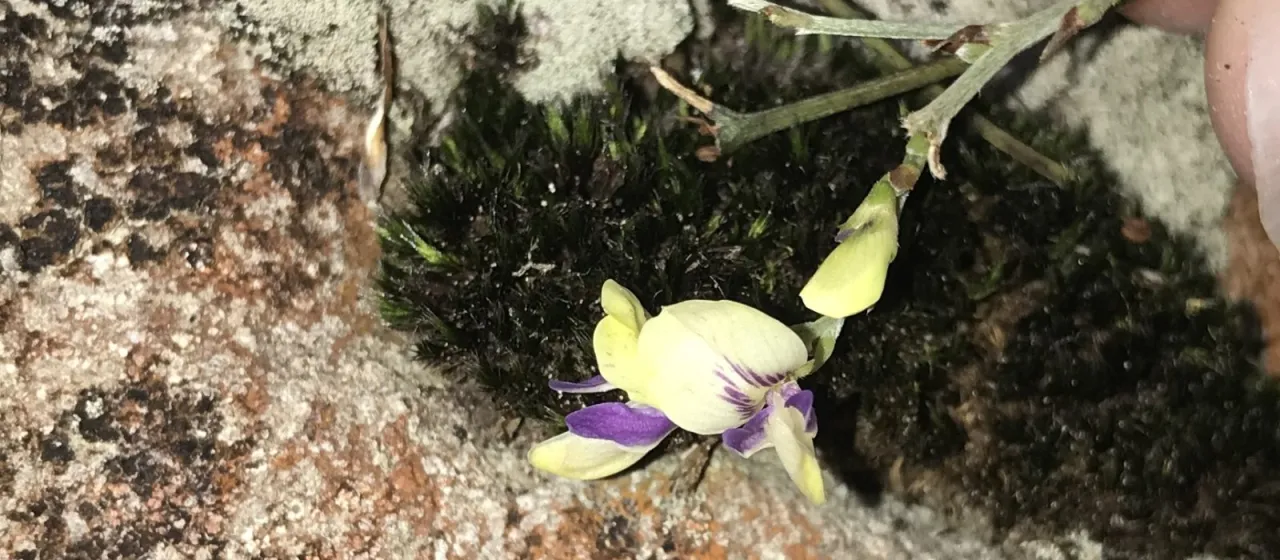
Botanically, it features typical trifoliate legume leaves and elegant racemes of small flowers, often ranging in color from white to purple. Its deep-reaching root system is its defining structural feature, allowing the plant to anchor itself firmly and stabilize sloped lands against erosion.
For successful cultivation, agricultural practitioners should ensure well-drained, fertile soil. While the plant is notably drought-tolerant once established, providing consistent moisture during the seedling phase is critical for long-term health. Periodic pruning helps maintain a vigorous and productive habit, especially when grown for biomass harvest.
The economic utility of this plant is multifaceted. It acts as an excellent protein-rich fodder source for livestock and is widely appreciated by apiarists for its high nectar output during the late summer season. Additionally, it improves soil nitrogen levels through symbiotic fixation, making it a sustainable choice for land restoration and integrated crop management systems.
- Climate preference: Temperate to warm zones.
- Soil type: Prefers well-drained loam.
- Pest management: Generally resistant; monitor for aphids in rare cases.
- Usage: Forage, bee forage, and soil stabilization.