
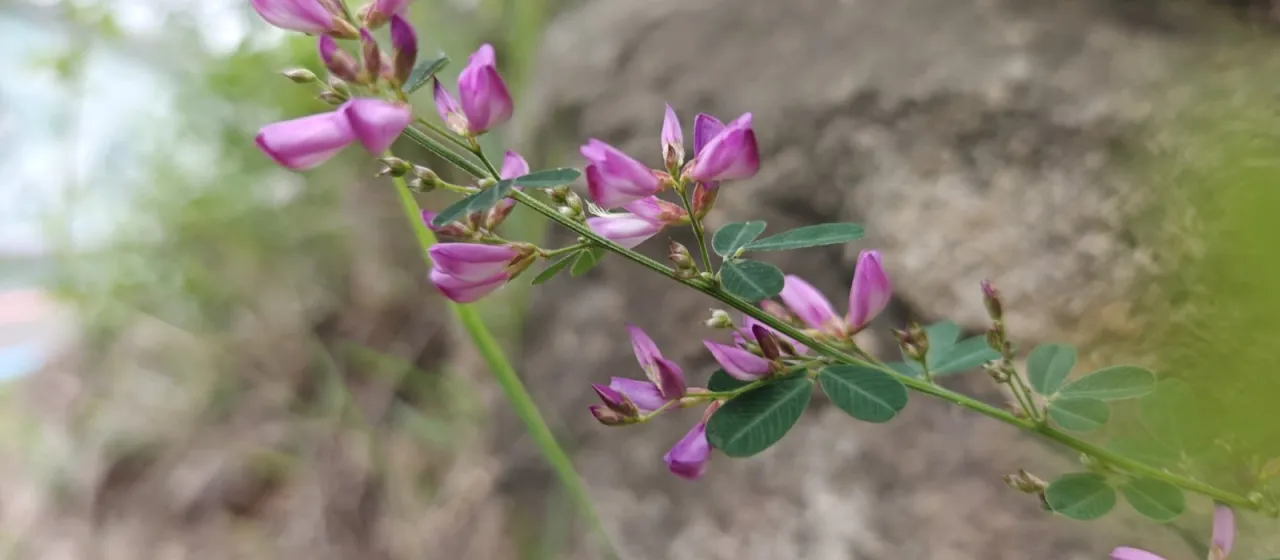
Description
Lespedeza floribunda is a perennial shrub belonging to the Fabaceae family, recognized for its resilience and ability to thrive in challenging soil environments. As a leguminous crop, it plays a vital role in sustainable agriculture by contributing to soil enrichment through biological nitrogen fixation and biomass production.
Native to East Asia, particularly regions within China, Japan, and Korea, the species has adapted to diverse temperate and subtropical landscapes. Its natural distribution suggests a strong preference for well-drained, open areas where it can receive sufficient sunlight, which is critical for its overall health and productivity in commercial settings.
Botanically, the plant is characterized by a robust root system and an upright growth habit, featuring abundant trifoliate leaves. During its peak growing season, the shrub produces numerous flowers that are highly attractive to bees and other pollinators. These morphological traits contribute to its dual-purpose utility as both a forage crop and a valuable honey plant.
Agricultural success with Lespedeza floribunda depends on selecting appropriate sites with moderate soil acidity and good drainage. It is notably drought-tolerant once established, reducing the need for intensive irrigation. Agronomic management involves periodic pruning to encourage dense branching and weed control during the seedling establishment phase to ensure long-term plot vitality.
The primary agricultural applications of this crop include its use as a high-protein feed for livestock and as a green manure to restore nitrogen levels in depleted fields. Furthermore, its extensive root architecture makes it an excellent choice for soil stabilization projects, effectively preventing erosion on sloped agricultural lands and field boundaries.
Common phytosanitary concerns include fungal diseases like leaf spot, especially in environments with high humidity, and infestations by various insect pests. Effective management relies on regular field scouting, ensuring proper plant spacing to allow for airflow, and implementing integrated pest management strategies to maintain optimal crop yields.