
Description
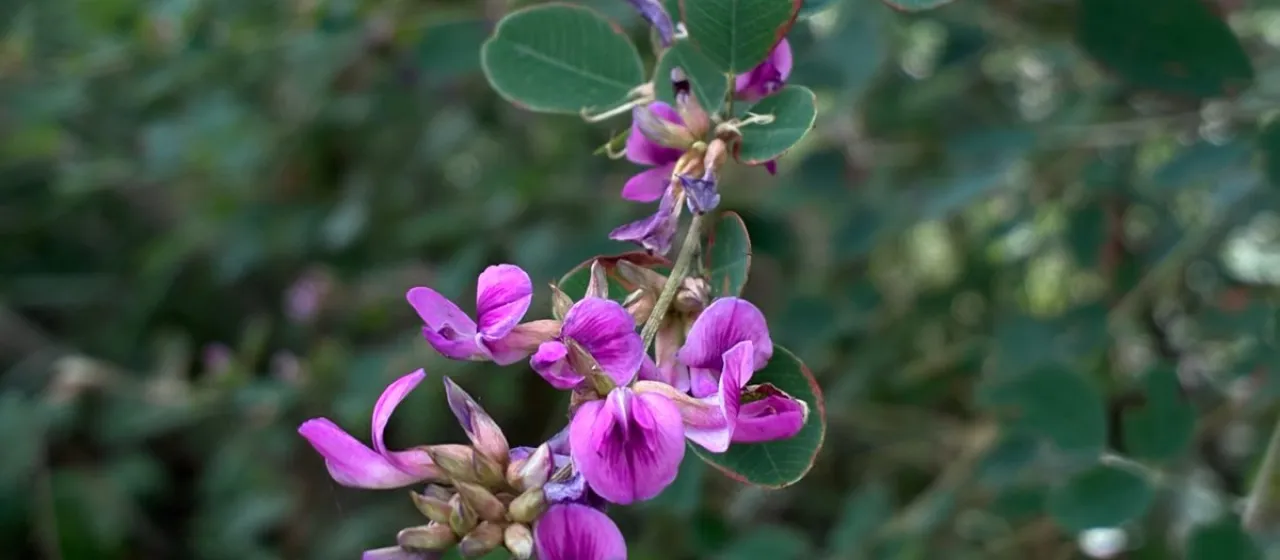
Lespedeza cyrtobotrya, commonly known as bush clover, is a perennial shrub belonging to the Fabaceae family. This hardy legume is highly regarded in sustainable agriculture for its ability to thrive in challenging environments while providing significant ecological and agricultural benefits, including nitrogen fixation and erosion control.
Native to East Asia, including Japan, Korea, and China, this species is well-adapted to various climates ranging from temperate to subtropical. Its natural habitat includes steep slopes and dry woodlands, which highlights its drought tolerance and minimal requirement for fertile, high-maintenance soil conditions.
The plant exhibits a shrubby growth habit, often reaching 1 to 2 meters in height. It features compound, trifoliate leaves and produces dense racemes of small, purple-to-pink papilionaceous flowers in late summer. This late blooming period makes it an essential resource for pollinators when other nectar sources are scarce.
Successful cultivation requires well-drained, slightly acidic to neutral soils. Propagation is primarily through seeds, which require scarification to break dormancy and ensure uniform germination. While the plant is drought-resistant, it does not tolerate waterlogged conditions, which can lead to root damage and reduced biomass production.
- Forage: High protein content for livestock.
- Conservation: Effective at preventing soil erosion.
- Apiculture: Significant late-season nectar source.
- Restoration: Excellent for reclaiming depleted agricultural lands.
Regarding health management, Lespedeza cyrtobotrya is generally robust. However, growers should monitor for root rot pathogens in poorly drained areas and common legume pests like bruchid beetles. Implementing good agricultural practices, such as proper spacing and water management, is key to maintaining a productive stand.