
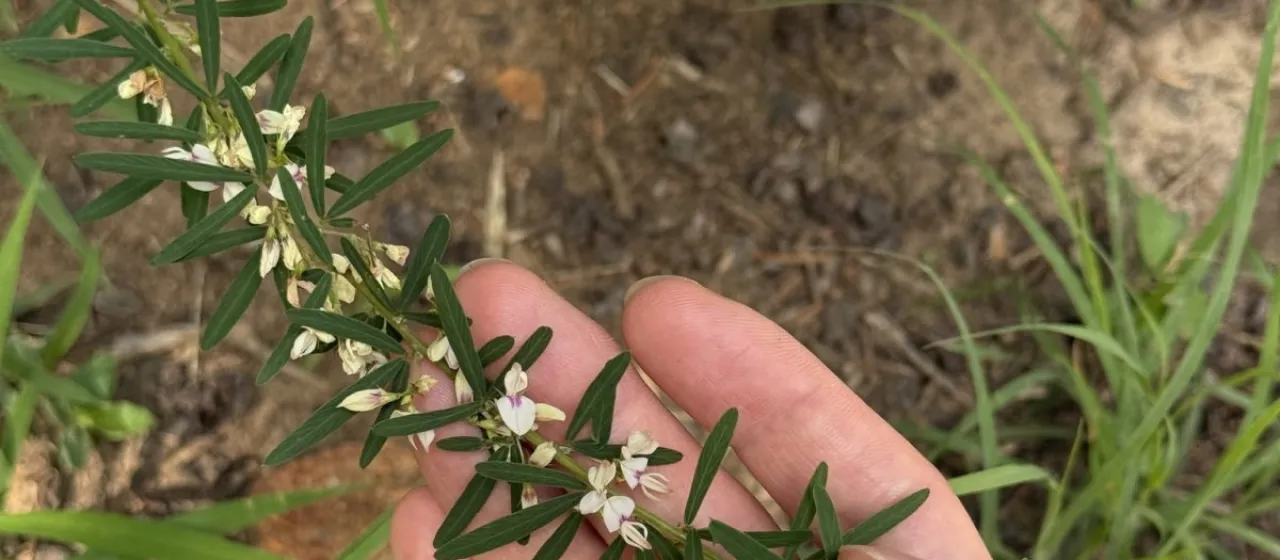
Description
Lespedeza caraganae is a perennial shrub belonging to the Fabaceae family. This species is recognized for its robustness and ability to thrive in challenging soil environments, making it a valuable candidate for soil stabilization and sustainable forage production in arid and semi-arid regions.
Originating from East Asia, this plant is well-adapted to the climatic conditions of northern China and Mongolia. It typically inhabits dry slopes, stony terrain, and open forest clearings. Its evolutionary history in these habitats has endowed it with remarkable resilience to drought and nutritional deficiencies in the soil.
Botanically, it is characterized by a deep, expansive root system that aids in soil erosion control. The plant features trifoliate leaves with fine pubescence, which helps reduce water transpiration. Its small, pea-like flowers are clustered in racemes, contributing significantly to its utility as a reliable late-season nectar source for pollinators.
Regarding cultivation requirements, Lespedeza caraganae prefers well-drained, porous soils and full sunlight. It is highly intolerant of waterlogging, which can cause root rot. Successful stand establishment depends on effective weed management during the seedling stage, as the plant grows slowly at first, but once established, it becomes highly competitive.
The agricultural and economic utility of the crop is multifaceted:
- Provision of high-protein forage for livestock, particularly during dry seasons.
- Improvement of soil fertility through symbiotic nitrogen fixation.
- Erosion control on sloped or degraded lands.
- Enhancement of local biodiversity through support of honey bee populations.
Pest and disease monitoring is relatively straightforward as the plant is generally hardy. However, producers should watch for root-feeding insects and occasional fungal pathogens such as mildew in high-humidity periods. Maintaining adequate spacing and ensuring good airflow within the field are the primary non-chemical measures for keeping the crop healthy and productive.