
Description
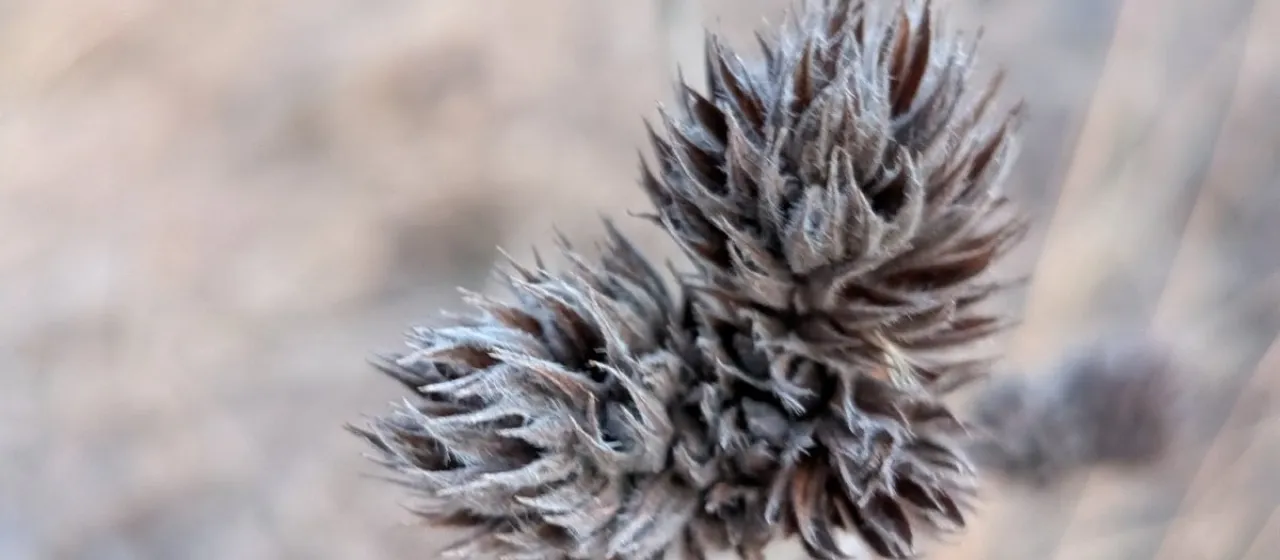
Round-headed bush clover (Lespedeza capitata) is a perennial herbaceous plant belonging to the legume family, Fabaceae. It is a robust species characterized by erect stems that can reach up to one meter in height. Its deep, penetrating root system enables the plant to thrive in challenging environments where typical agricultural crops might struggle to survive.
Originating from North America, this plant is naturally found in prairies and dry woodland habitats. Its cultivation is favored in temperate regions due to its remarkable winter hardiness and resilience. Over time, it has become recognized as an important species for land stabilization and soil conservation projects in diverse agricultural landscapes.
The botany of the plant is defined by its trifoliate leaves, which are covered with fine, silvery hairs, and its dense, head-like inflorescences. These inflorescences are strategically positioned in the leaf axils, producing small, white to creamy flowers that eventually develop into single-seeded legumes. This unique structure contributes to the plant’s high drought tolerance and water-use efficiency.
Regarding cultivation, this legume thrives in well-drained, acidic to neutral soils. It is notably undemanding in terms of nutrient density, making it ideal for low-input farming systems. Agrotechnical management primarily involves scarification of seeds before planting to improve germination rates and ensuring adequate light exposure during the seedling establishment phase.
In terms of agricultural use, the crop is valued as a forage resource for livestock and as a soil-improving agent that enhances nitrogen levels in degraded soils. Additionally, the plant contains phytochemicals of interest to the pharmaceutical industry. While relatively hardy, growers should monitor for common leguminous pests and fungal diseases, particularly in areas with poor airflow or persistent soil moisture.
- Excellent drought resistance.
- Adapted to poor, sandy soils.
- Nitrogen-fixing capabilities.
- High potential for erosion control.