
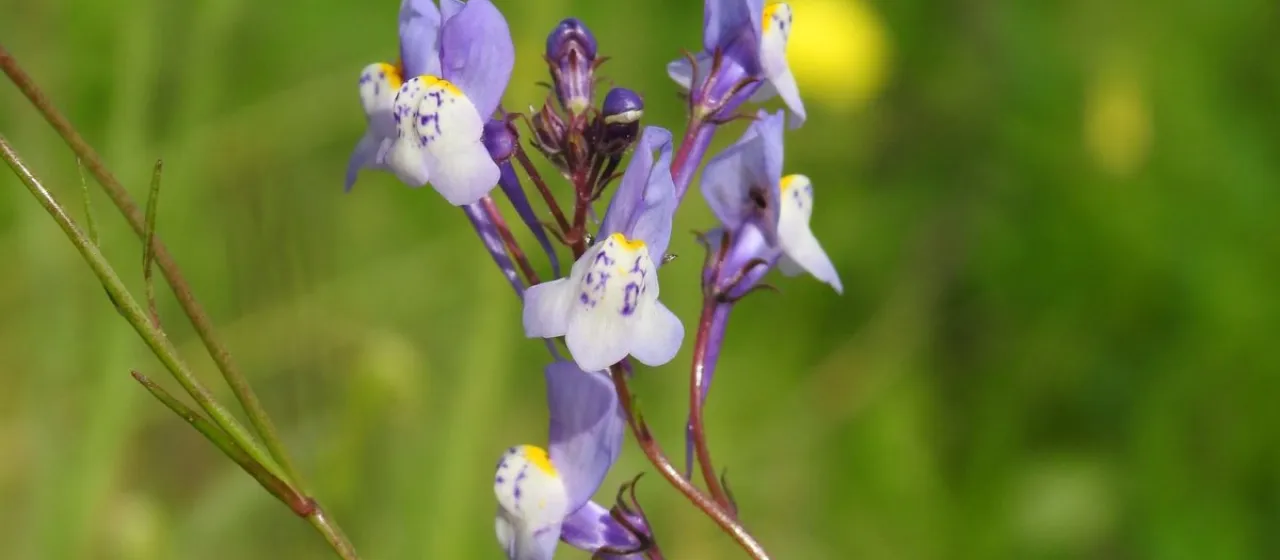
Description
Linaria algarviana is a herbaceous plant belonging to the Plantaginaceae family. While not a primary agricultural crop in the traditional commodity sense, it is a significant botanical species known for its specific ecological adaptation. It belongs to the broader group of toadflaxes, characterized by their unique floral morphology and resilience in arid environments.
The plant originates from the Algarve region of Portugal, from which its name is derived. Its cultivation range is limited to regions with Mediterranean climates where the soil properties mimic its native habitat. It thrives in open, exposed areas and does not compete well with dense vegetation or weeds in high-fertility environments.
Botanically, Linaria algarviana features slender stems and narrow, elongated leaves that assist in reducing transpiration. The flowers exhibit a distinct spurred shape, typical of the genus, which attracts specialized pollinators. Its root system is deep and efficient, designed to secure nutrients and stability in light, often sandy soils.
Agricultural and gardening management should focus on the following key areas:
- Soil Type: Sandy, well-draining soils with low organic matter.
- Exposure: Full sun to partial shade in extremely hot climates.
- Watering: Sparse, allowing the soil to dry out completely between sessions.
- Fertilization: Low requirement; excessive nitrogen can lead to etiolated, weak stems.
The primary use for this species is in xeriscaping, ornamental botanical collections, and restoration of rocky habitats. Regarding pests and diseases, the plant is susceptible to powdery mildew during humid periods and occasional infestation by aphids that congregate on tender flower stalks. Proper air circulation and controlled moisture are the best preventative measures for maintaining plant health.