
Description
Field toadflax (Latin: Linaria arvensis) is an annual herbaceous plant belonging to the Plantaginaceae family. While it is primarily recognized in agronomy as a field weed, its botanical structure and adaptation mechanisms are of significant interest for ecological and weed science studies.
The plant originates from the Mediterranean basin and has spread throughout temperate regions of Europe and parts of Asia. It thrives in well-drained, sandy, or light soils. Its natural habitats include arable fields, roadsides, and disturbed, sparsely vegetated areas where it can efficiently compete for sunlight and nutrients.
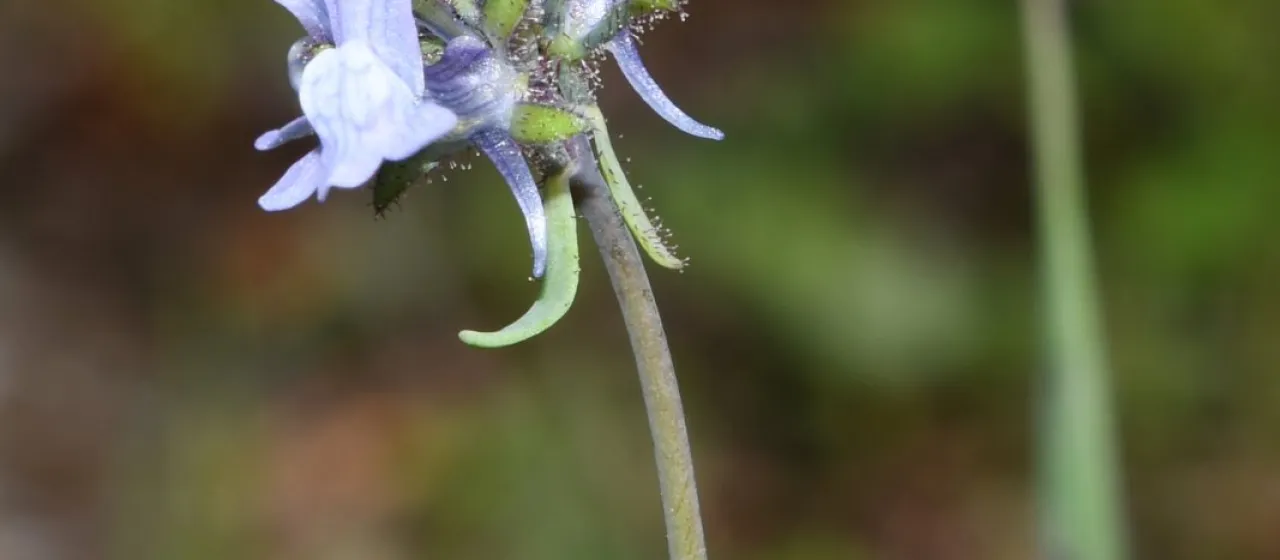
Morphologically, field toadflax is characterized by a slender, branched stem growing to a height of 10–40 cm. Its leaves are narrow, lanceolate, and smooth to the touch. The flowers are small, arranged in terminal racemes, and feature the characteristic spurred corolla typical of the Linaria genus, usually displaying shades of pale blue or violet.
From an agricultural standpoint, this plant poses challenges due to its prolific seed production. A single specimen can produce a vast amount of small seeds that are easily dispersed by wind and water. These seeds are known for their longevity in the soil, which necessitates consistent and long-term weed management strategies in agricultural operations.
Effective control of field toadflax involves a combination of mechanical and chemical methods. Key strategies include intensive seedbed preparation to induce germination before planting, followed by mechanical eradication. Chemical control is typically implemented during the early growth stages of the main crop. Proper identification is crucial, as the plant can occasionally serve as a reservoir for certain fungal pathogens in intensive farming systems.