
Description
Sand toadflax (Linaria arenaria) is an annual herbaceous plant belonging to the Plantaginaceae family. This species is a true psammophyte, specifically adapted to thrive in shifting or stabilized sandy habitats, which are typically nutrient-poor and subject to high wind exposure.
The native range of this plant is geographically restricted, primarily found along the Atlantic coastline of France. It occupies a unique ecological niche, effectively anchoring itself in dune sands where traditional agricultural crops would fail due to the lack of soil structure and extreme drainage conditions.
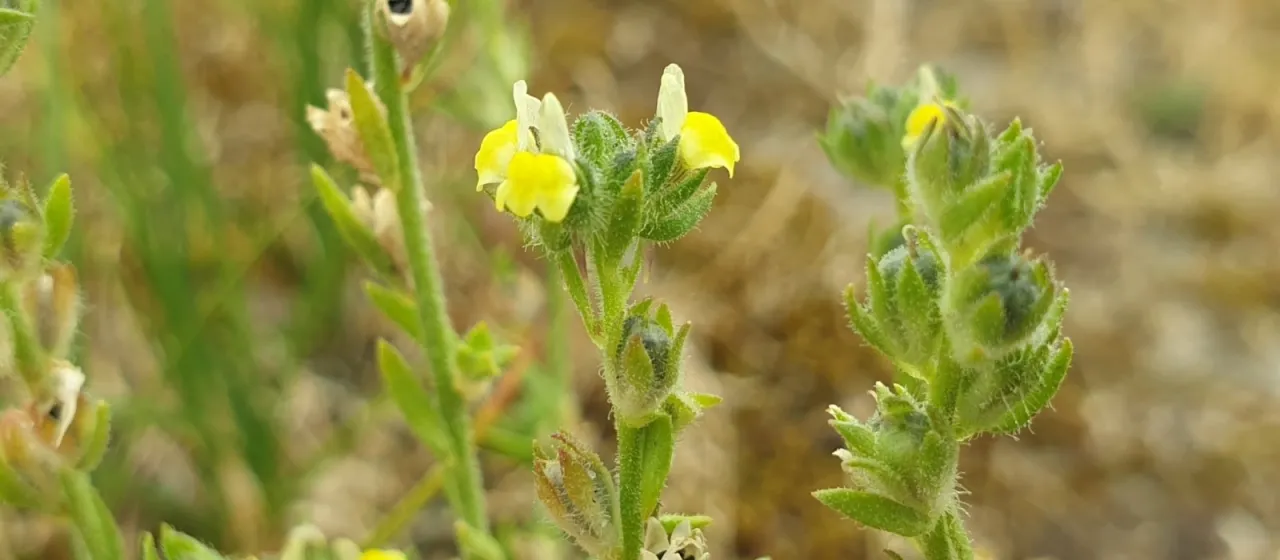
Botanically, Linaria arenaria is characterized by its branching stems and narrow, linear leaves designed for efficient moisture retention. The flowers exhibit the classic snapdragon-like morphology with a spur, typically displaying soft yellow or white hues, which are critical for attracting local pollinator species in coastal environments.
Regarding cultivation requirements, the species demands high solar radiation, excellent drainage, and sandy substrates. It is highly sensitive to competition from invasive grasses and shrubs, meaning that in a managed environment, intensive weeding is necessary to preserve its vigor and prevent fungal infections associated with poor air circulation.
While the plant is not currently cultivated for widespread economic gain, it is of significant interest for ecological restoration projects aimed at stabilizing coastal dune systems. Its preservation is essential for maintaining the botanical integrity of its native French habitats, which are increasingly threatened by climate change and human infrastructure development.