
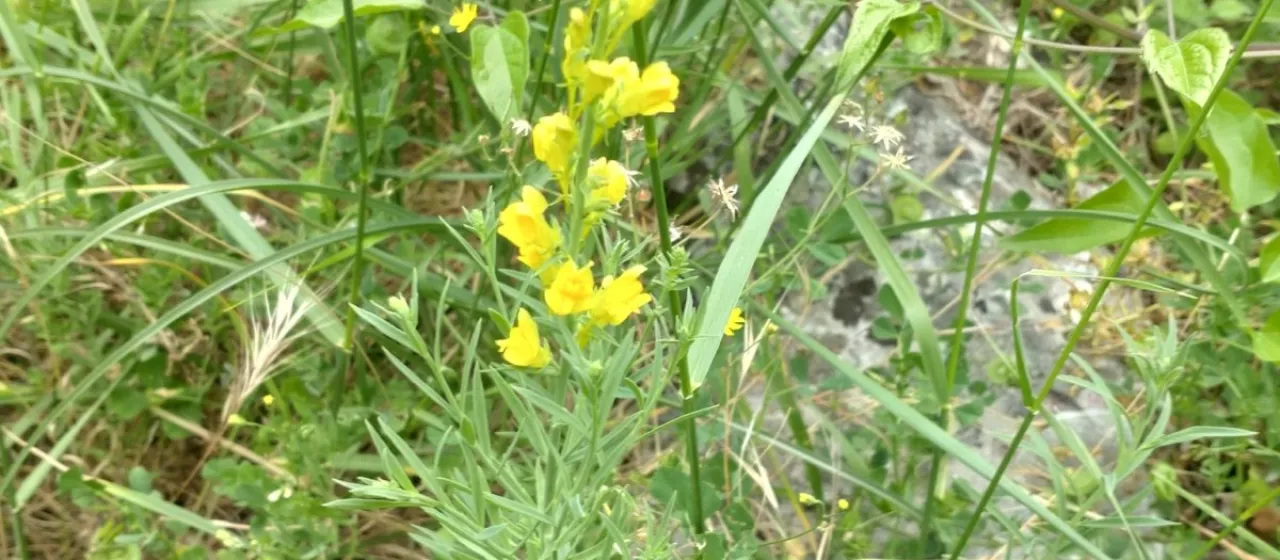
Description
Narrow-leaved toadflax (Latin: Linaria angustissima) is a perennial herbaceous plant belonging to the Plantaginaceae family. It is a highly resilient species known for its ability to adapt to diverse ecological conditions, making it an interesting subject for agronomic and botanical studies in various regions of Eurasia.
The origin and natural distribution of this species are tied to steppe and dry meadow habitats. It naturally occurs in environments characterized by well-drained soils and high solar radiation. Because of its native environment, the plant has developed a high tolerance for drought and nutrient-poor substrates, which distinguishes it from more demanding traditional agricultural crops.
Botanically, the plant is characterized by narrow, linear leaves and distinct spurred flowers that typically bloom in shades of yellow. Its structural features allow it to maintain stability in windy conditions, while its root system is designed to efficiently extract moisture from deep soil layers. The plant's morphology is clearly adapted to open, sun-exposed landscapes.
Agronomic requirements include choosing sites with excellent drainage and full sun exposure. The species is highly sensitive to waterlogging, which can lead to rapid decay of the root system. Proper management involves minimizing soil compaction and ensuring that the crop is not overshadowed by faster-growing competitors. Nitrogen levels should be carefully monitored to maintain healthy development without excessive vegetative overgrowth.
Potential agricultural and commercial uses for narrow-leaved toadflax include:
- Erosion control in arid or sandy soil conditions.
- Integration into wild-pollinator habitats as a late-season honey plant.
- Research into biochemical compounds for pharmaceutical or industrial extraction.
Pest and disease management is essential to ensure crop viability. The most common threats are fungal pathogens that emerge under humid conditions and insect pests such as aphids or specific beetles that feed on the foliage. Monitoring and early detection are recommended to maintain the health of the population throughout the growing season.