
Description
Linaria bubanii is a perennial herbaceous plant belonging to the Plantaginaceae family. While not a primary agricultural commodity, this species holds significant interest for botanists and professional horticulturists focused on mountain flora and niche ornamental plants adapted to challenging environments.
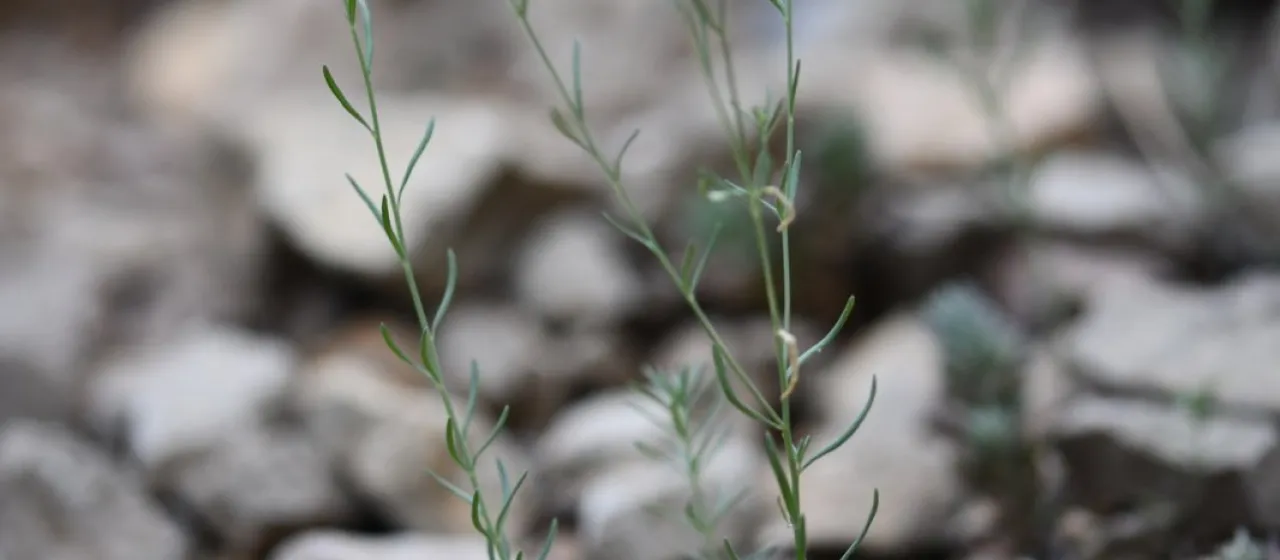
The natural range of this species is confined to specific mountainous regions, predominantly in the Pyrenees. It has evolved to thrive in rocky soils and slopes where environmental conditions are harsh. Its ability to colonize such substrates highlights its high adaptive capacity and resilience against environmental stresses like poor soil fertility and fluctuating humidity.
Botanically, Linaria bubanii is characterized by its slender, lanceolate leaves and delicate spurred flowers, which are iconic features of the genus. Its growth habit is typically clump-forming, supported by a specialized root system that allows the plant to anchor effectively in loose, gravelly soil profiles, ensuring survival in its native rocky habitat.
Agronomic requirements for cultivating this plant emphasize the necessity of excellent drainage. Unlike many field crops, it does not respond well to high-nutrient soils or excessive organic matter. Instead, success in a nursery or garden setting requires full sun exposure and a substrate that mimics its natural conditions—sandy or rocky, well-draining soil with minimal moisture retention.
- Requires high solar radiation.
- Prefers neutral to alkaline soil pH.
- Avoids waterlogged environments at all costs.
- Benefits from moderate spacing for air circulation.
The primary use of Linaria bubanii is in ornamental horticulture, specifically for rock gardens and xeriscaping projects where drought tolerance is prioritized. Regarding pest and disease management, the plant is relatively hardy but can suffer from root rot if soil drainage is inadequate. Aphids are the most common insect pests encountered during periods of rapid vegetative growth, requiring consistent monitoring.