
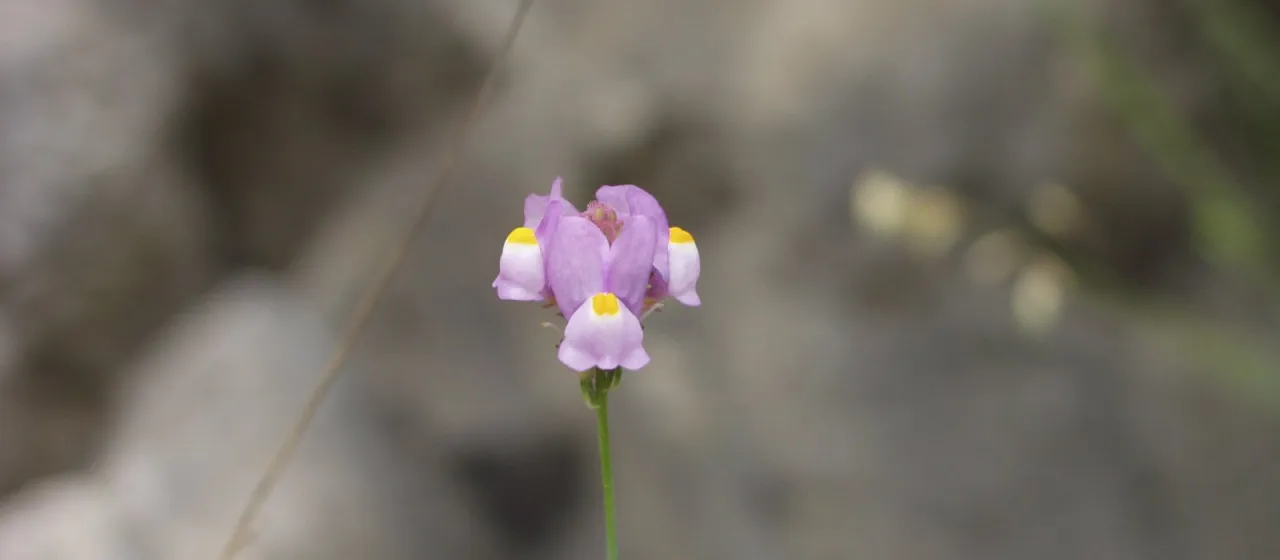
Description
Linaria clementei is a perennial herbaceous plant belonging to the Plantaginaceae family. While it is not a large-scale commodity crop, it represents an important botanical subject due to its specialized adaptation to rocky substrates and its ecological significance in its native Mediterranean habitats. It is recognized for its architectural form and ability to thrive in poor soils.
Originating from the mountainous regions of the Iberian Peninsula, this species is naturally distributed across limestone slopes and rocky crevices. Its survival strategy is centered on drought tolerance and the ability to extract nutrients from highly mineralized environments. As an agricultural or ornamental candidate, it requires a climate that mimics these dry, high-sunlight conditions.
Botanically, Linaria clementei is distinguished by its slender, linear foliage and characteristic spurred flowers that reflect the evolutionary trends of the genus. The plant typically forms low-growing, resilient clumps that provide ground cover in arid zones. Its morphology is optimized for wind resistance and water retention, which are critical for its survival in exposed high-altitude terrains.
The agronomic management of this species focuses on maintaining a strict soil profile. It demands extremely well-drained, porous soils, typically with a neutral to alkaline pH. Excessive fertilization, especially with synthetic nitrogen, should be avoided as it compromises the plant's structural integrity and cold hardiness. Propagation is primarily achieved through seeds, which require specific environmental cues to break dormancy.
The primary utility of Linaria clementei lies in specialized landscaping, particularly in rock gardens or ecological restoration projects aimed at soil stabilization on steep slopes. Although it is not prone to major commercial agricultural pests, in cultivation, it may be susceptible to fungal pathogens if exposed to excessive humidity or poor air circulation. Integrated pest management should prioritize soil aeration and moisture control.
- Excellent drought resistance.
- Adapted to high-alkalinity substrates.
- Optimal for xeriscaping and alpine gardening.
- Low maintenance requirements under correct conditions.