
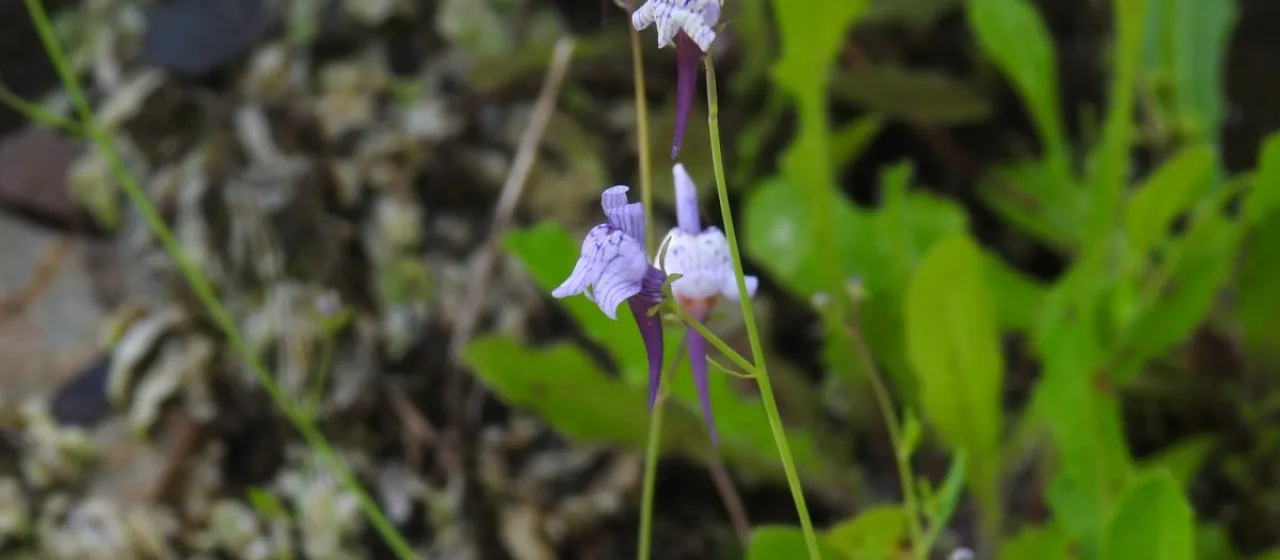
Description
Linaria diffusa is a perennial herbaceous plant belonging to the Plantaginaceae family. Known for its resilient nature, this species has adapted to thrive in harsh, nutrient-poor environments, making it a subject of interest for both botanical research and specialized landscaping projects.
The plant is native to the southwestern regions of Europe, specifically the coastal and inland sandy areas of the Iberian Peninsula. Its natural habitat includes dunes and rocky slopes where survival depends on extreme drought tolerance and the ability to stabilize in shifting, unstable soil conditions.
Botanically, the plant features a spreading, branching habit with narrow leaves that minimize water loss. The flowers are typically arranged in racemes and possess the characteristic spurred shape common to the Linaria genus. The coloration ranges from pale whites to soft purples, adding ornamental value to its rugged appearance.
Cultivation requirements are strict regarding drainage and light. To successfully grow Linaria diffusa, one must provide a substrate that mimics its native environment—sandy or gravelly soil with minimal organic content. The plant demands full sun exposure and is highly susceptible to root decay if kept in wet, poorly ventilated conditions.
- Requires full sun exposure for optimal flowering.
- Thrives in lean, well-draining sandy soils.
- Low water requirements after establishment.
- Does not tolerate heavy fertilization.
In terms of usage, the plant is primarily employed in sustainable landscaping and ecological restoration of sandy habitats. It is favored for its ability to bind soil and provide ground cover in arid garden designs, such as rock gardens or xeriscapes, where conventional lawn grasses would fail to thrive.
Disease management focuses on preventing fungal infections caused by high humidity. Gardeners should ensure adequate spacing between plants to allow for airflow. While it faces few specialized pests, basic monitoring for aphids and caterpillars is recommended to preserve the integrity of the foliage during the growing season.