
Description
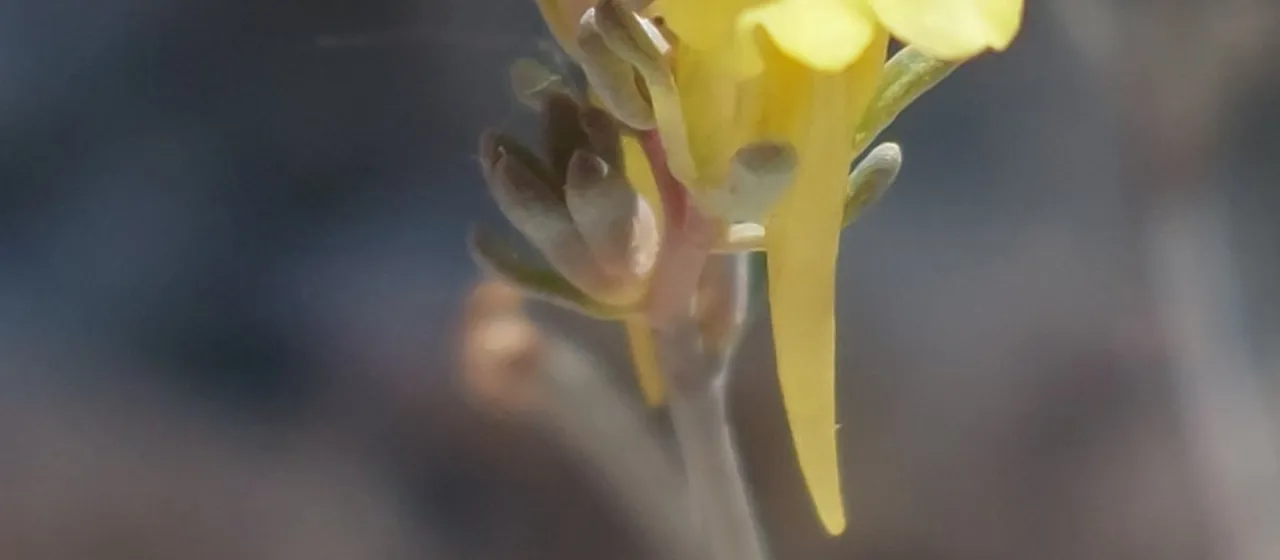
Glaucous toadflax (Linaria glauca) is a perennial herbaceous plant belonging to the Plantaginaceae family. It is widely recognized by horticultural enthusiasts for its distinctive glaucous, blue-green foliage and delicate, spurred flowers that resemble miniature snapdragons. This plant provides an elegant aesthetic, especially when used in Mediterranean-style garden designs.
The species originates from the southern regions of Europe and the Mediterranean basin. Due to its natural habitat, which typically consists of sunny, stony slopes and dry cliffs, the plant is exceptionally adapted to arid conditions. It is a preferred choice for rock gardens, gravel beds, and xeriscaping projects where minimal water input is desired.
Botanically, Linaria glauca is characterized by its slender stems and narrow leaves coated in a waxy bloom that gives it a characteristic silvery appearance. The blooms typically emerge in late spring and early summer, displaying colors ranging from pale yellow to creamy white with distinct yellow spots on the petals, creating a subtle yet attractive visual effect.
For successful cultivation, excellent soil drainage is the most critical factor. The plant thrives in poor, sandy, or gritty soils and will suffer if left in waterlogged conditions, which usually leads to root rot. It requires a full-sun exposure to maintain its compact growth habit and prevent the stems from becoming leggy or etiolated.
General horticultural practices for this plant are quite straightforward:
- Avoid overwatering; the plant is highly drought-tolerant once established.
- Use gravel mulch around the base to prevent leaf rot and mimic natural alpine conditions.
- Deadhead flowers after the first bloom to encourage a potential second flush.
- Maintain low fertility levels, as excess nutrients can reduce the plant's structural integrity.
While generally hardy and resilient, the glaucous toadflax can be susceptible to common garden pathogens like powdery mildew if placed in environments with poor air circulation. Proper spacing during planting and choosing an open, sunny site are the best natural defenses against pests and diseases, ensuring the plant remains healthy throughout the growing season.