
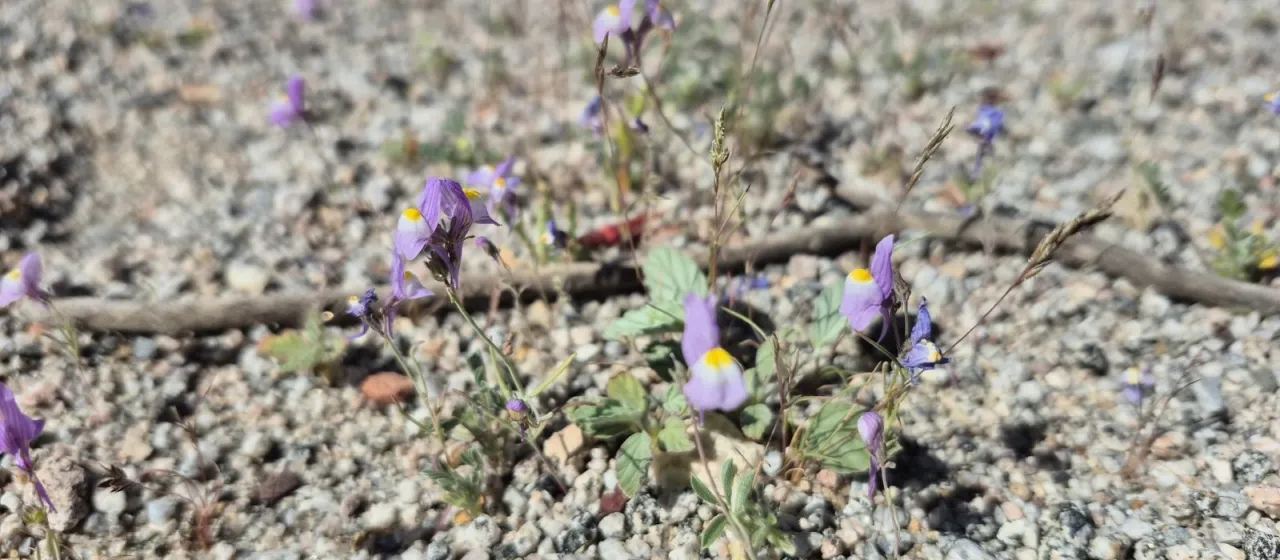
Description
The Pale Toadflax, botanically classified as Linaria haelava, is a perennial herbaceous plant belonging to the Plantaginaceae family. Historically associated with Scrophulariaceae, the species is now recognized within the Plantaginaceae clade. It is known for its delicate appearance and high adaptability to challenging ecological niches, making it a subject of interest in modern botanical and agricultural studies.
The species originates from the Mediterranean basin and arid regions across the region. Its native range is characterized by rocky outcrops, sandy substrates, and open plains where water availability is intermittent. Linaria haelava is highly adapted to these harsh conditions, demonstrating remarkable resilience against heat stress and nutrient-deficient soils, which are typical for its primary habitat.
Botanically, Linaria haelava features slender stems and linear, narrow leaves designed to reduce transpiration. The inflorescences consist of pale-colored, spurred flowers that distinguish this species from other toadflax variants. The root system is significantly developed, allowing the plant to anchor effectively in loose, shifting soils while maximizing water uptake during dry periods.
Cultivation requirements for this species focus primarily on drainage. The plant fails in poorly drained, waterlogged soils, which invariably lead to root rot and other physiological disorders. Ideal growing conditions include full sun exposure, alkaline or neutral soil pH, and minimal irrigation. It is an excellent candidate for xeriscaping, requiring very little human intervention once established in a suitable environment.
In terms of practical utility, the plant is valued in decorative landscaping and environmental restoration projects targeting arid lands. Common pests affecting Linaria haelava include aphids and lepidopteran larvae that target foliage. Disease management is mostly preventative, focusing on avoiding overhead irrigation and excessive humidity to prevent fungal pathogens from proliferating in the plant canopy.