
Description
Linaria hirta is an annual herbaceous plant belonging to the family Plantaginaceae. In agricultural terms, it is recognized primarily for its biological characteristics that allow it to thrive in nutrient-poor environments, making it a subject of interest for weed science and field ecology research.
The origin of this species is linked to the Mediterranean basin. Its natural habitat includes rocky terrains and disturbed lands where the climate is characterized by high temperatures and irregular rainfall. Over time, the plant has adapted to survive in regions with significant environmental stress.
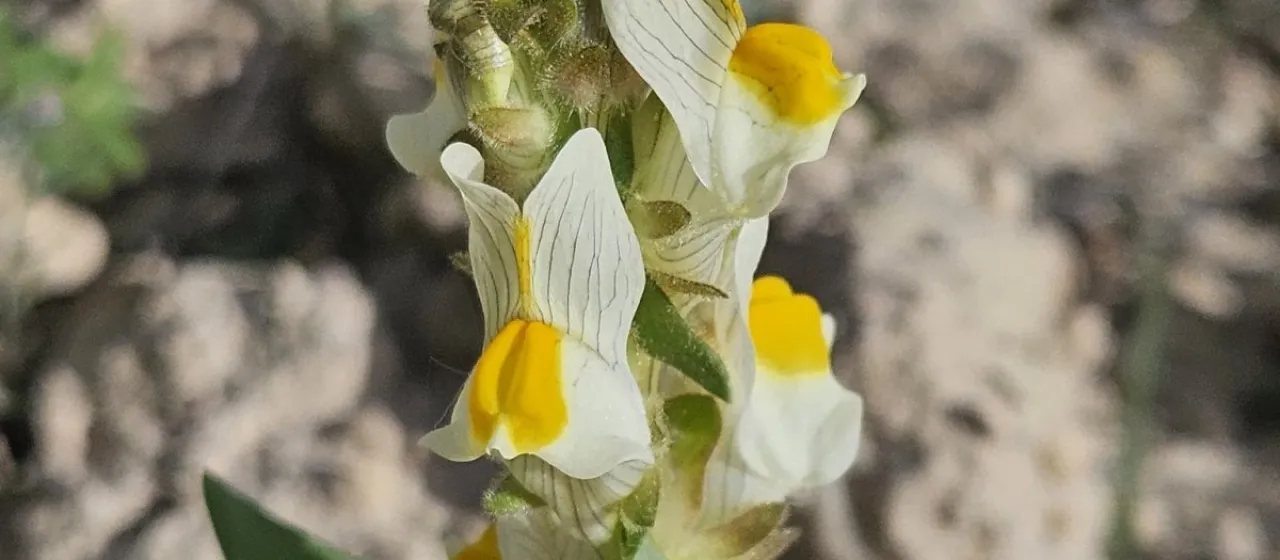
Botanically, the species is defined by its glandular hairs covering the stems and leaves, providing a distinct texture. The plant produces terminal racemes of flowers, which feature the iconic spurred shape characteristic of the Linaria genus. The flowers typically exhibit yellow hues, often marked with deep orange or purple highlights.
Regarding cultivation and agronomic requirements, the plant favors well-drained, sandy, or gravelly substrates. It possesses high drought tolerance and prefers open, sunny locations. In an agricultural context, management focuses on monitoring its population density to prevent interference with traditional crop growth cycles.
- Requires minimal fertilization due to low soil demand.
- Highly sensitive to competitive pressure from taller crops.
- Susceptible to common foliar fungal infections in humid conditions.
Economic use of Linaria hirta remains largely focused on botanical studies. While not a commercial commodity, understanding its lifecycle helps farmers manage fields affected by similar invasive species. Common pests include specific curculionid beetles and various sap-sucking insects that can potentially affect surrounding crops if left unchecked.