
Description
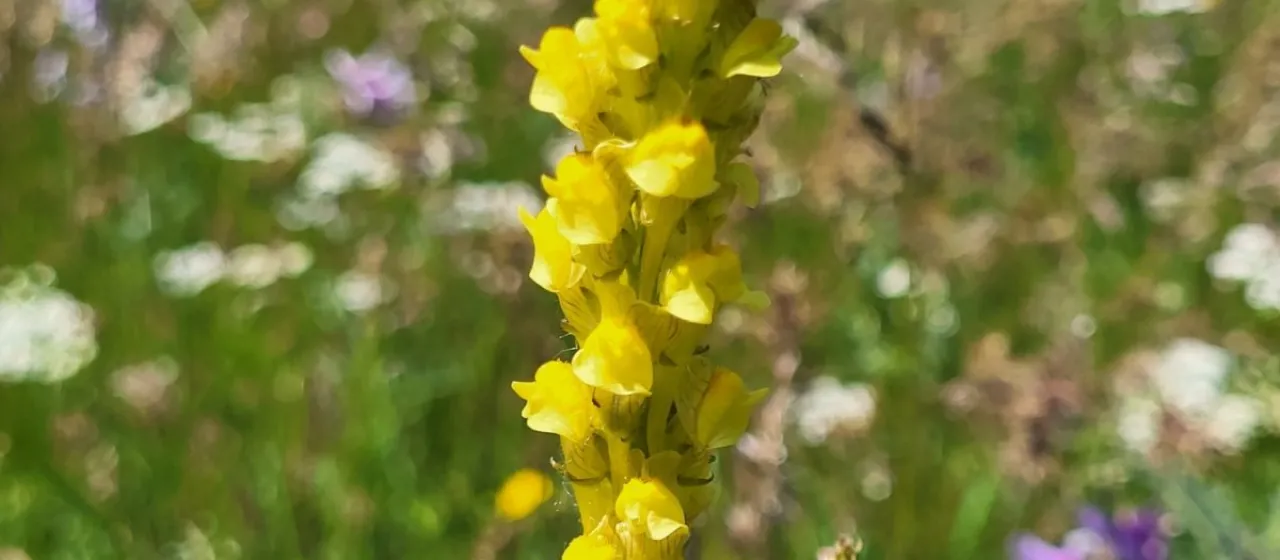
Linaria kurdica is a perennial herbaceous plant belonging to the Plantaginaceae family. This species is recognized for its adaptation to mountainous environments, serving as an interesting subject for botanical study and specialized cultivation programs aimed at preserving rare regional flora.
The plant originates from the mountainous regions of the Middle East, primarily spanning areas of Kurdistan and Turkey. It is native to rocky slopes and dry habitats, where it has evolved to thrive in soils that are typically unsuitable for traditional agricultural crops, demonstrating remarkable hardiness.
Botanically, Linaria kurdica features slender, linear leaves and distinct spurred flowers that are typical of the Linaria genus. The plant typically forms low clumps or upright stems, depending on the specific environmental pressure. Its root system is exceptionally efficient, allowing it to extract moisture from deep within the substrate, which is a key survival mechanism.
Cultivation requirements for this species focus heavily on soil structure and water management. It demands excellent drainage and full sun exposure to maintain health and prevent root rot. Heavy or waterlogged soils are detrimental to the plant, often leading to rapid decline; therefore, sandy or gritty soil mixtures are highly recommended for optimal development.
While not a traditional food or fiber crop, the plant is primarily valued for its potential in ornamental landscaping and as a source of genetic material for breeding climate-resilient varieties. The primary challenges in cultivation include preventing fungal diseases like root rot and managing minor infestations of aphids, which may appear during the peak spring growth phase.