
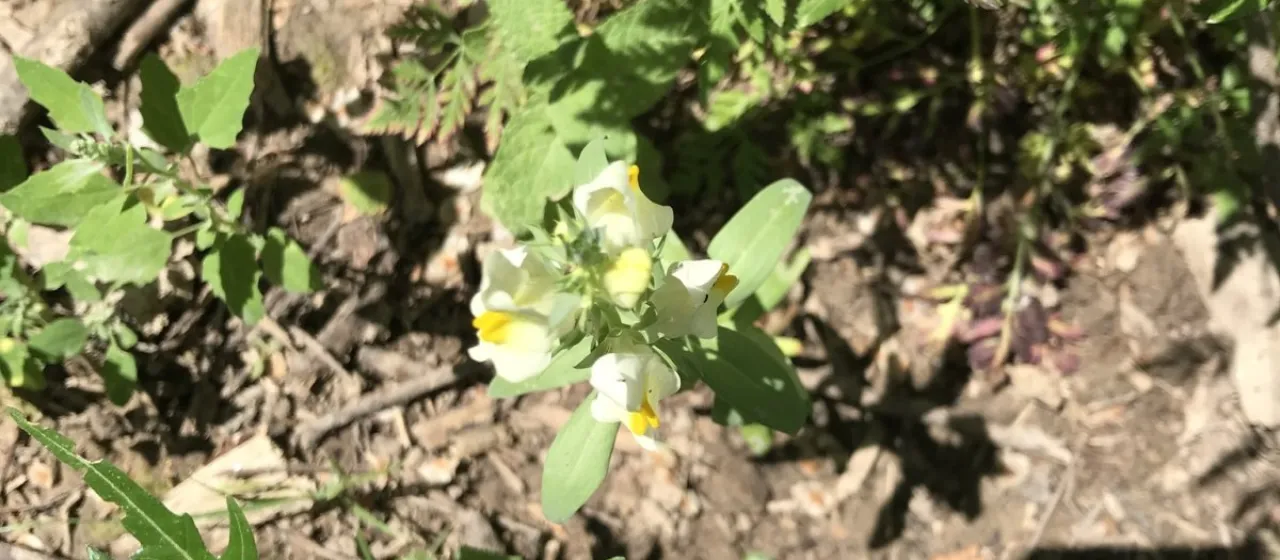
Description
Broad-leaved toadflax (Linaria latifolia) is a herbaceous perennial plant belonging to the Plantaginaceae family. While not a conventional staple crop, this species serves as a critical botanical component in specific ecological regions. Its ability to colonize challenging environments makes it a subject of interest for specialized agricultural restoration and biodiversity studies.
The native range of Linaria latifolia is primarily centered in the Mediterranean basin. It is typically found in stony habitats, limestone outcrops, and arid slopes. Because of its evolutionary background, the plant thrives in soils that are considered nutritionally poor for standard agricultural crops, demonstrating remarkable resilience to low fertility and extreme temperature fluctuations.
Botanically, the species is distinguished by its relatively wide leaves compared to the more common narrow-leaved toadflax species. The plant typically reaches a height of 20–40 cm, featuring an upright stem and distinct zygomorphic flowers with spurs. These floral structures are perfectly adapted for insect pollination, attracting specialized bees and other pollinators in its native ecosystem.
Cultivation requirements for this species prioritize mimicking its natural habitat. It demands exceptionally well-draining soil, ideally of a rocky or sandy composition. Over-irrigation is detrimental, as the root system is prone to fungal infections under waterlogged conditions. Full sun exposure is essential; the plant requires direct sunlight to maintain its structural integrity and encourage regular flowering throughout the growing season.
Regarding its utility, the species is currently valued in xeriscaping and as a potential candidate for phytoremediation in highly disturbed or contaminated rocky terrains. It faces few severe pests, though powdery mildew may occur in stagnant, humid environments. As an agricultural resource, it remains a specialty plant, primarily maintained for its hardiness and its ecological role in stabilizing fragile, nutrient-poor landscapes.