
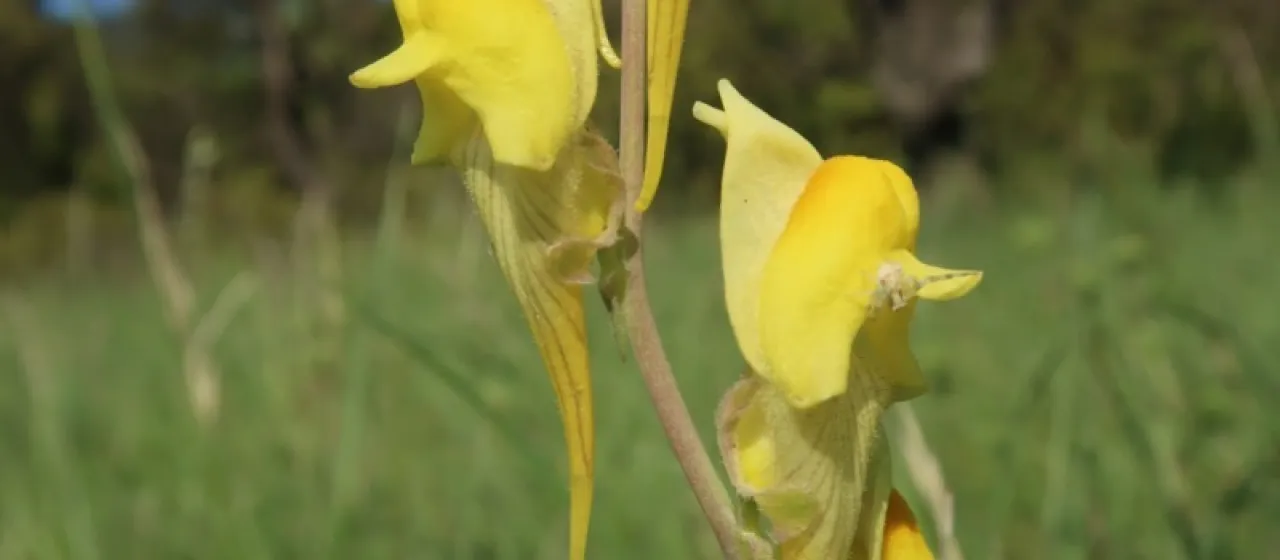
Description
Linaria macroura is a perennial herbaceous plant belonging to the Plantaginaceae family. In agricultural and horticultural research, this species is recognized for its unique ability to thrive in arid conditions, making it an interesting subject for xeriscaping and sustainable land management projects.
The plant originates from the steppe and semi-desert regions of Eurasia. Its natural habitat includes rocky slopes and sandy soils where it has evolved to withstand harsh environmental pressures. Because of its native range, it shows a significant degree of tolerance to heat and solar radiation compared to more delicate agricultural varieties.
Botanically, the plant features a robust stem structure with narrow, linear leaves and distinct spurred flowers arranged in dense terminal racemes. Its root system is deep-reaching, designed to anchor the plant in loose, mineral-rich soils and optimize the intake of scarce moisture during the growing season.
Successful cultivation requires well-drained, nutrient-poor, or sandy substrates with a neutral to alkaline pH level. It is essential to avoid waterlogged soil conditions, which are the primary cause of failure for this species. Agricultural management involves minimal intervention, focusing primarily on controlling competing weeds in the early growth stages.
The economic and ecological utility of the plant includes its role as a specialized nectar source for native pollinators and its use in erosion control for arid landscapes. In some regions, it is valued for its hardiness in decorative gardens. Potential risks involve fungal infections caused by high humidity, which can be mitigated through proper plant spacing and soil drainage practices.